The Evolving Spectacle: From Muddy Pitches to Global Arenas - The Journey of Football Fan Culture
Explore the historical evolution of football fan culture, from its humble beginnings to modern global spectacles, examining key turning points, pioneering fan groups, and the impact on matchday experiences.
The Genesis: Passion in the Public Square
The roar of the crowd, a symphony of cheers and jeers, is an intrinsic part of the football experience. Yet, this vibrant tapestry of fan culture wasn't always the global phenomenon it is today. Picture this: a windswept field in Victorian England, perhaps in the late 19th century, where rudimentary football matches were played. The 'fans' were often locals, friends, and family, their enthusiasm raw and unorganized, often expressing itself through spontaneous gatherings rather than structured support. Early football crowds were a far cry from the meticulously organized supporter groups we see today. Evidence suggests that attendance was often informal, driven by community pride and the novelty of the sport. The very concept of 'fan culture' was nascent, defined more by collective participation in the event than by distinct identities or rituals. The development of codified rules in the 1860s and the formation of leagues like the Football League in 1888 provided a crucial foundation, giving a more permanent structure to the sport and, by extension, to its burgeoning fanbase. These early matches, often played on muddy, uneven pitches, fostered a sense of shared experience among attendees, laying the groundwork for future organized support. The journey from these informal gatherings to the intense atmospheres of modern stadiums, whether it was a local derby or a continental clash, is a testament to football's enduring appeal and the evolving ways people connect with the sport.
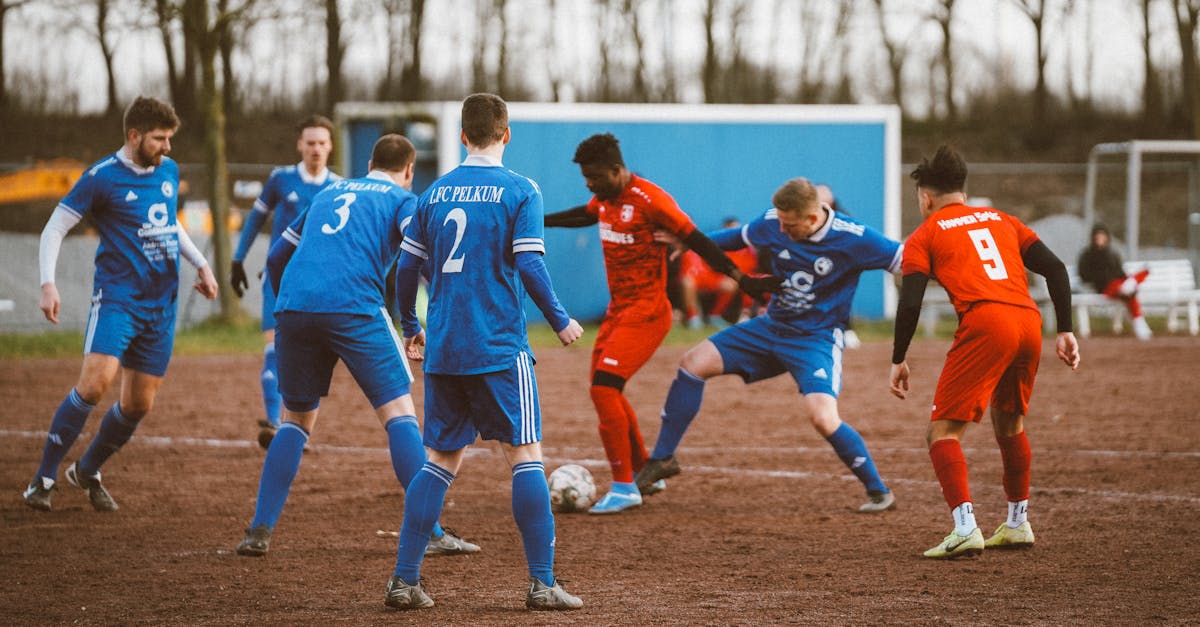
Key Takeaway: Early football fan culture was characterized by informal, community-driven enthusiasm, evolving organically alongside the formalization of the sport itself in the late 19th century.
The Rise of Organized Support and Identity (Early to Mid-20th Century)
The football stadium has always been more than just a venue; it's a crucible of fan culture. In the early days, stadiums were often basic structures, reflecting the rudimentary nature of the sport itself. As football grew, so did stadium architecture, evolving from simple terraces to the multi-tiered, state-of-the-art arenas of today. Consider the journey from the open, often exposed stands of the early 20th century to the enclosed, acoustically engineered coliseums that amplify the crowd's voice. This evolution directly impacts the fan experience. Modern stadiums are designed with fan comfort, safety, and engagement in mind, incorporating advanced facilities, digital displays, and catering options. The atmosphere created within these structures is a direct product of the fans' collective energy, amplified by the venue's design. The ability to experience live action, whether it's a local match or an international fixture like cyber_livescore/vfb homberg vs monchengladbach am tt379351829, is enhanced by the stadium's infrastructure. For the traveling fan, the stadium is often the focal point of a cultural immersion, offering a tangible connection to the club and its city. The anticipation building before a significant match, perhaps one that generates significant news like news 81188891 or news 29733837, is palpable within these modern cathedrals of sport. The integration of technology, from ticketing to in-stadium Wi-Fi, further streamlines the matchday experience, making it more accessible and engaging for a wider audience. Even seemingly niche results, such as cyber_ket qua bong da nd beltinci vs nk bilje tt268709036, are now part of a vast, interconnected footballing world, with stadiums serving as the physical anchor points for this global passion.
Key Takeaway: The early to mid-20th century saw the formalization of fan support, with the emergence of fan clubs, distinct team identities, and organized travel, transforming fans into active participants.
The Modern Era: Globalization, Technology, and Hyper-Fandom
As football cemented its place in the national consciousness, so too did the organization of its supporters. The interwar period and the post-World War II era witnessed a significant shift. The establishment of dedicated fan clubs, the creation of club colours, anthems, and chants became more pronounced. This period saw the emergence of a distinct fan identity, tied intrinsically to club loyalty. Pioneers in this era weren't necessarily famous players, but rather the ordinary individuals who began to form groups, travel to away games, and create a sense of belonging. Data indicates that the rise of mass media, including radio and later television, also played a role in disseminating club loyalties and fostering a broader sense of shared fan experience, even for those unable to attend matches. Think of the iconic images of fans clad in their team's colours, a sea of unified support. This era also saw the beginnings of the more intense rivalries, with fan groups often acting as extensions of club identity. The development of specific matchday routines and the creation of fan-led initiatives, such as supporter newsletters or organized travel, marked a crucial step in the evolution from passive spectators to active participants. The journey of fan culture during this time reflects broader societal trends of group identity formation and the increasing importance of leisure and sport in people's lives. The introduction of specific match result reporting, like that which might cover a game such as cyber_ket qua bong da/nice vs monaco tt219608232, began to solidify a collective understanding of club performance and fan engagement.
The Global Reach of Fan Engagement
The late 20th and early 21st centuries have been defined by an explosion in fan culture's scale and scope, heavily influenced by globalization and technological advancements. The internet, social media, and live streaming services have revolutionized how fans connect, share information, and express their passion. This era has seen the rise of 'hyper-fandom,' where supporters engage with their clubs on an unprecedented level, often 24/7. The ability to follow international leagues, access real-time scores (such as those for cyber_livescore altaawoun vs alfeiha tt315601633 or cyber_livescore/metropolitano sc vs caravaggio fc tt398728232), and participate in global online communities has transcended geographical boundaries. Stadiums themselves have evolved, becoming sophisticated entertainment venues designed to enhance the fan experience, from advanced audio-visual systems to dedicated fan zones. However, this evolution isn't without its complexities. Issues of hooliganism, while historically present, have been addressed through security measures and legislative changes, shifting the focus towards more positive forms of fan expression. The digital age has also democratized content creation, allowing fans to produce their own analysis, commentary, and match highlights, impacting traditional media narratives. The sheer volume of news and information, from match reports to transfer rumours, means that fan engagement is now a constant dialogue. The focus on specific match outcomes, like news 33232710 or news 51950703, is amplified by this constant connectivity. Even niche results, such as those from games like cyber_ket qua bong da naesby vs holstebro bk tt317534721, can find an audience through online platforms.
Key Takeaway: Modern fan culture is characterized by globalization and technology, fostering hyper-fandom, constant engagement, and a borderless community, while also presenting new challenges and opportunities for expression.
The Stadium as a Cultural Hub: Then and Now
The internet's influence cannot be overstated. Platforms that once focused on local results, such as news 9466448, now offer global coverage. This allows fans to follow teams and matches from leagues they might never have encountered before. The evolution from simply watching a local team to engaging with a global footballing ecosystem is a defining characteristic of modern fan culture. This global reach has also led to the internationalization of fan traditions and the cross-pollination of supporter chants and displays. The ability to find comprehensive information, from match statistics to in-depth tactical analysis (as one might seek in a singed mid lane guide, albeit in a different domain), demonstrates the depth of modern fan engagement. The desire for immediate information, whether it's about a major fixture or a less prominent match like cyber_bong da serie a video ban thang juventus vs empoli cu soc ngay dau vang ronaldo tt17812, fuels the growth of live score services and sports news outlets. The accessibility of information for events like cyber_livescore/nigeria vs congo tt260667637 or cyber_ket qua bong da/sd gernika vs valle de egues tt238270237 highlights this global connectivity. Furthermore, the development of platforms that aggregate results, such as cyber_ket qua bong da/imt-novi-beograd-vs-zemun-tt388235626, caters to the insatiable demand for football data.
The evolution of fan culture is a dynamic and ongoing process. From the spontaneous cheers of early crowds on muddy fields to the synchronized tifos and digital engagement of today's global fanbase, the core remains the same: an unyielding passion for the game. The journey has been sha by societal changes, technological advancements, and the unwavering dedication of millions. The way we experience and express our fandom continues to evolve, promising even more exciting developments in the future.
Browse by Category
- Cyber_livescorepaok Saloniki Vs Volos Nfc Tt369872037
- Cyber_nhan Dinh Bong Da Brentford Vs Rotherham 01h00 Ngay 28 4 Hai Dau The Gioi Tt4933
- Cyber_livescore U19 Macedonia Vs Indonesia U19 Tt479900725
- Cyber_livescore/Trapani Vs Rende Tt142607935
- Cyber_livescore Kafr El Dawar Vs Misr Elmaqasah Tt211729329
- Cyber_ket Qua Bong Da/Ab Tarnby Vs Dalum Tt232570032
- Cyber_livescore/Slask Wroclaw Vs Lechia Gdansk Tt399497034
- Cc Bng U Vng Loi World Cup 2026 Chu
- Cyber_livescore/Lower Breck Vs Witton Albion Tt487501631
- Cyber_livescore/Chertanovo Moscow W Vs Fk Ryazan W Tt396730726
- Cyber_livescore/Ue Sants Vs Ue Castelldefels Tt216205038
Sources & References
- WhoScored Match Ratings — whoscored.com (Statistical player & team ratings)
- Transfermarkt — transfermarkt.com (Player valuations & transfer data)
- UEFA Technical Reports — uefa.com (Tactical analysis & competition data)
Explore More Topics (15)
- News 74168914
- News 42176763
- News/News 88436219
- Cyber_nhan Dinh Soi Keo Cadiz Vs Athletic Bilbao 1h00 Ngay 30 8 Chu Nha Gap Kho Tt53293
- News 98142164
- News 75158968
- News 39880550
- Betting Preview Upcoming Matches Denmarks Lower Leagues
- News 12597091
- Cyber_livescore/Syrianska Fc Vs Tyreso Ff Tt129017834
- Cyber_livescore/Kudrivka Vs Ucsa Tt38831437
- News 39270361
- Cyber_3 Ung Cu Vien Vo Dich Lec Mua He 2021 Ga Khong Lo G2 Thuc Tinh Tt7304
- Match/News/69641510
- Cyber_livescore/Djurgardens U21 Vs Degerfors If U21 Tt327745726