The Tactical Evolution of Defensive Midfield: From Enforcer to Playmaker
Explore the historical evolution of the defensive midfield role in football, tracing its development from a purely disruptive force to a sophisticated tactical lynchpin, with insights into key figures, pivotal matches, and the changing face of fan power.
The Unseen Architects: A Deep Dive into Defensive Midfield's Historical Ascent
The roar of the crowd at a packed stadium, the tension palpable as the ball is contested in midfield – these are the moments that define football. Yet, often, the most crucial battles are waged and won by the players who operate in the shadows, the defensive midfielders. Their role, once a rudimentary function of breaking up play, has undergone a profound metamorphosis. This evolution, driven by tactical innovation, the changing economics of the sport, and the evolving demands of the game, has transformed the defensive midfielder from a mere 'destroyer' into a sophisticated architect of both defense and attack. The journey from a lumbering anchorman to a dynamic ball-winner and distribution specialist is a testament to football's relentless tactical progression, a narrative woven through iconic matches and the development of fan power.
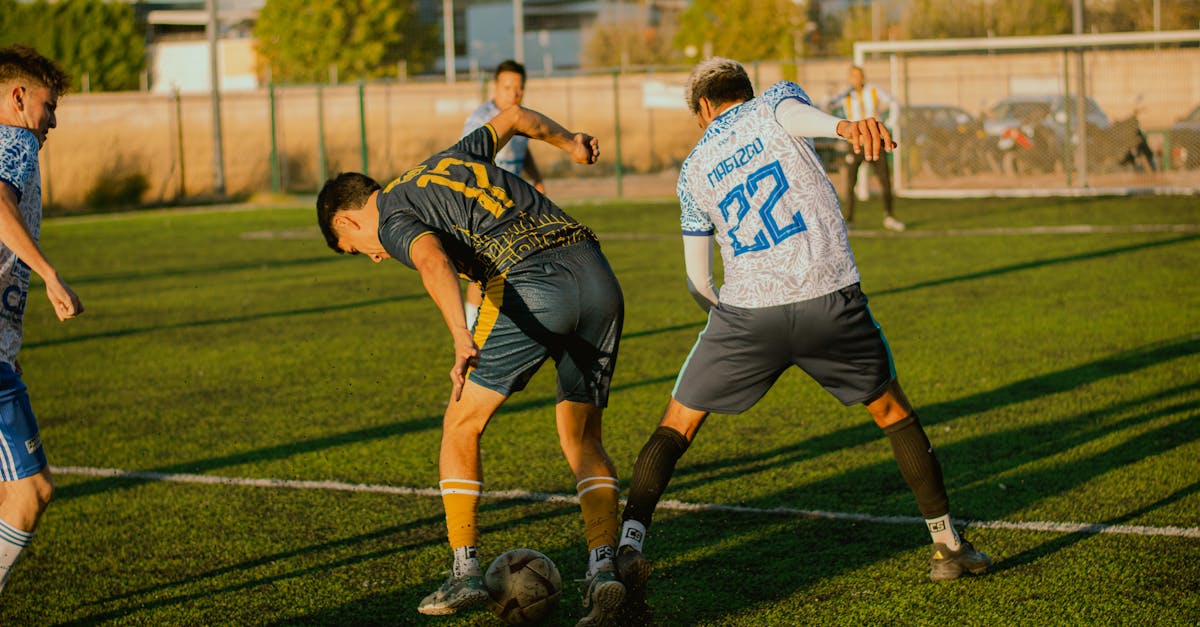
From "The Destroyer" to "The Deep-Lying Playmaker": Early Adaptations and Key Figures
The true transformation of the defensive midfield role began to accelerate in the late 20th and early 21st centuries, significantly influenced by Dutch football's philosophical shift under Johan Cruyff and later amplified by Pep Guardiola's coaching acumen. The 'Total Football' philosophy emphasized fluidity and interchangeability, requiring midfielders to be comfortable in multiple roles. This era saw the emergence of the 'deep-lying playmaker' or 'regista'. Players like Frank Rijkaard, and later Edgar Davids, while still possessing defensive steel, began to exhibit a greater range of passing and an ability to dictate the tempo of the game from deep. The watershed moment arguably arrived with the rise of Pep Guardiola himself as a player. His ability to read the game, recycle possession, and initiate attacks from a deep midfield position was revolutionary. This tactical blueprint was then meticulously refined and implemented by Guardiola as a manager, most notably with Xavi Hernández and Sergio Busquets at Barcelona. Busquets, in particular, became the epitome of the modern defensive midfielder – a master of positional play, an exceptional interceptor, and a surprisingly adept passer who could break defensive lines with his vision. This era also saw the increasing importance of data in football analysis, with metrics focusing on possession won, pass completion rates, and tactical positioning becoming crucial in identifying and developing these advanced midfielders. The influence of these tactical pioneers has been so profound that it's difficult to imagine top-level football without this sophisticated midfield control, a stark contrast to the earlier focus on brute force.
Key Takeaway: The early defensive midfielder was primarily a physical disruptor, tasked with breaking up opposition attacks and providing a shield for the backline. Pioneers like Billy Bremner exemplified this role, prioritizing tenacity and ball-winning above all else, reflecting the tactical norms of the mid-20th century.
🏒 Did You Know?An NFL football is not actually round — it is a prolate spheroid.
The Tactical Revolution: Cruyff, Guardiola, and the Rise of the "Regista"
Today's defensive midfielder is a multi-faceted athlete, expected to contribute significantly in all phases of play. The tactical demands have broadened, requiring players to not only screen the defense and win the ball but also to initiate attacks, press effectively, and even contribute goals. This evolution is reflected in the diverse skillsets of modern stars. N'Golo Kanté, for instance, combines relentless ball-winning with surprising attacking runs, a testament to his adaptability. Rodri, under Guardiola at Manchester City, showcases the 'regista' role at its peak, dictating play with an incredible range of passing and tactical intelligence, often acting as the primary source of ball progression. The increasing sophistication of analytics further shapes this role. Data indicates that successful defensive midfielders are now evaluated not just on tackles and interceptions, but also on their ability to break defensive lines with passes, their pressing efficiency, and their contribution to build-up play. The fan perspective has also evolved. While the 'enforcer' still garners appreciation, there is a growing understanding and admiration for the nuanced tactical contributions of the modern defensive midfielder. Fan power, increasingly vocal through social media and online platforms, can influence club decisions and player perception. A player who consistently dictates tempo and provides defensive stability is now as revered as a prolific goalscorer. This shift in appreciation underscores the deepening tactical understanding among supporters, influenced by the global dissemination of footballing knowledge, making the defensive midfielder an indispensable, celebrated figure. The journey from a simple ball-winner to a tactical linchpin highlights football's ongoing adaptation.
Key Takeaway: The late 20th and early 21st centuries witnessed a tactical revolution, driven by figures like Cruyff and Guardiola, which transformed the defensive midfielder into a deep-lying playmaker. Players like Xavi and Busquets exemplified this new archetype, blending defensive responsibility with sophisticated distribution and game control.
The Modern Defensive Midfielder: Versatility, Analytics, and Fan Engagement
The historical evolution of the defensive midfield role suggests a future characterized by even greater versatility and adaptability. As tactical systems continue to evolve, driven by innovative coaches and the relentless pursuit of competitive advantage, the demands on this position will undoubtedly shift. We might see a further blurring of lines between defensive and central midfield roles, with players expected to seamlessly transition between defensive duties and advanced playmaking. The impact of technology, such as advanced data analytics and even AI-driven tactical analysis, will likely play an increasingly significant role in shaping player development and recruitment for this position. The emphasis will remain on players who can read the game, adapt to different tactical schemes, and contribute effectively to both winning possession and initiating attacks. The journey of the defensive midfielder, from its rudimentary beginnings to its current sophisticated form, is a compelling narrative of football's constant evolution, a story that continues to unfold on pitches worldwide, from the most prestigious stadiums to the humblest grounds.
Key Takeaway: The contemporary defensive midfielder is a highly versatile player expected to excel in ball-winning, playmaking, pressing, and tactical intelligence. Analytics play a crucial role in evaluating these players, and fan appreciation has grown for their complex contributions, reflecting the game's evolving tactical sophistication.
The Future of the Role: Adaptability and Tactical Innovation
In the early days of professional football, the concept of a dedicated defensive midfielder as we understand it today was nascent. The primary objective in this zone was simply to disrupt the opposition's attacking rhythm. Players like the legendary Billy Bremner for Leeds United in the 1960s and 70s embodied this era. Bremner was a tenacious tackler, a combative presence who harried opponents relentlessly. His game was built on physicality and an unwavering commitment to winning the ball back, embodying the 'enforcer' archetype. Similarly, in Italy, players like Gabriele Oriali for Inter Milan in the 1980s were crucial in shielding the defense with their grit and determination. These pioneers laid the groundwork, demonstrating the inherent value of a player solely dedicated to winning and retaining possession in central areas. The tactical systems of the time, often favoring a more rigid, zonal approach, allowed these specialists to thrive without the expectation of significant attacking output. The evolution was gradual, with the emphasis remaining squarely on defensive solidity. Evidence suggests that this era prioritized raw defensive capabilities over sophisticated playmaking from deep.
Historical Milestones in Defensive Midfield Evolution
- Mid-20th Century: Emergence of the dedicated 'enforcer' or 'destroyer' role, focused on physicality and ball-winning (e.g., Billy Bremner).
- Late 20th Century: Influence of Total Football and increased emphasis on positional play and tactical discipline (e.g., Frank Rijkaard).
- Early 21st Century: Rise of the 'regista' or deep-lying playmaker, blending defensive duties with sophisticated passing and tempo control (e.g., Pep Guardiola, Xavi Hernández).
- Modern Era: Expectation of high versatility, advanced tactical intelligence, pressing efficiency, and integration with data analytics (e.g., Sergio Busquets, Rodri).
The journey of the defensive midfielder is a microcosm of football's broader tactical evolution. From a position defined by brute force and defensive disruption, it has transformed into a role demanding a sophisticated blend of tactical intelligence, technical proficiency, and physical resilience. The players who have occupied this space, from the tenacious tacklers of yesteryear to the metronomic playmakers of today, have not only sha their teams' performances but have also been instrumental in redefining the very fabric of the game. As tactical innovation continues to push boundaries, the defensive midfielder will undoubtedly remain a pivotal, albeit often unsung, hero on the footballing landscape.
Browse by Category
- Cyber_livescore/Trelissac Vs Vierzon Tt377682035
- Cyber_bong Da/Nhan Dinh Bong Da/Nhan Dinh Du Doan Argentina Vs Estonia 1h00 Ngay 6 6 Trung Choi Da Tt45621
- Cyber_game_kinh_di_than_trung_khien_dan_tinh_thot_tim_vi_khung_canh_ma_mi_tt1831
- Cyber_ket Qua Bong Da/Reading Vs Luton Town Tt385267720
- Cyber_livescorezfc Meuselwitz Vs Karlsruher Sc Tt447985533
- Cyber_livescore/Fk Auda Riga Vs Jdfs Alberts Tt164020836
- Cyber_livescore/News 71109067
- Cyber_livescore/Breidablik W Vs Hafnarfjordur W Tt212593237
- Cyber_ket Qua Bong Da/Argentina Santa Fe Cup Women
- Cyber_livescore/Eintracht Frankfurt Vs Vfl Bochum Tt270858034
- Cyber_bong Da/Bong Da Nu/Truc Tiep Nu Viet Nam Vs Nu Campuchia 18h00 Ngay 7 7 Tt48575
- Cyber_ket Qua Bong Da/Maribor Vs Nk Aluminij Tt304846622
- Cyber_livescore/Jizak Vs Fk Olympic Tashkent B Tt160027334
- Cyber_ket Qua Bong Da/Ae Velo Clube Sp Vs Noroeste Tt274063136
- Cyber_xem Tran Jordan Vs Tay Ban Nha Truc Tiep Tren Kenh Nao O Dau Tt61146
- Cyber_ket Qua Bong Da/Detroit City Vs Chattanooga Tt124108931
- Cyber_livescore/Lokomotiv Kyiv Vs Oleksandriya B Tt342994437
- Cyber_livescore/Blacktown Spartans Vs Bulls Academy Tt120448337
- Cyber_livescore/Racing Club Vs Atletico Tucuman Tt162209035
Sources & References
- FIFA Official Reports — fifa.com (Tournament & qualification data)
- The Athletic Football Analysis — theathletic.com (In-depth tactical breakdowns)
- FBref Football Statistics — fbref.com (Advanced football analytics)
Explore More Topics (15)
- News 38570387
- Cyber_livescore/Sfc Minerva Vs Muleno Cf Tt329278529
- News 98781725
- News 67590309
- Cyber_hlv Hagl Che Ha Noi Da Xau Nhu Thai Lan Tt112155
- News 8455845
- Cyber_livescore/Delfin Sc Vs Cd El Nacional Tt378809533
- Cyber_ket Qua Bong Da/Aalborg Vs Silkeborg Tt318693133
- Cyber_nhan Dinh Soi Keo Zibo Cuju Vs Jiangxi 13h00 Ngay 4 12 Khac Biet O Hang Cong Tt63177
- Cyber_livescore/Atsv Mutschelbach Vs Goppinger Sv Tt346874034
- Cyber_ket Qua Bong Da/Volyn Vs Mfk Mikolaiv Tt255338726
- News 48604873
- Cyber_lmht Nhung Tuyen Thu Vcs Tung Bi Cam Thi Dau Vi Cay Thue Xep Hang Tt15231
- News 66518877
- Cyber_livescoresouth Melbourne W Vs Alamein W Tt357754933