From Muddy Pitches to Digital Arenas: The Historical Evolution of Football Stadiums and the Fan Experience
Explore the transformative journey of football stadiums, from rudimentary grounds to state-of-the-art multi-purpose venues, and how this evolution has resha the fan experience and the very essence of football culture. Discover the milestones, pioneers, and turning points in stadium design and fan engagement.
From Muddy Pitches to Digital Arenas: The Historical Evolution of Football Stadiums and the Fan Experience
The biting winter wind whips across the open terraces, carrying the roar of thousands as a muddy ball arcs towards the goal. The scent of liniment and stale beer hangs heavy, a palpable energy born from proximity and shared passion. This was the quintessential matchday experience for generations – raw, visceral, and deeply communal. Yet, step into a modern stadium today, and you're greeted by gleaming steel, digital screens, and an array of hospitality options, a world apart from those rudimentary pitches of yesteryear. The modern football stadium, a cathedral of sport and a nexus of community, has undergone a profound transformation, evolving from simple grass fields and standing terraces into sophisticated multi-purpose arenas, fundamentally reshaping the fan experience and the very fabric of football culture. This journey is not merely about bricks and mortar; it's a rich tapestry woven with social change, technological advancement, and a shifting understanding of what it means to be a football supporter.
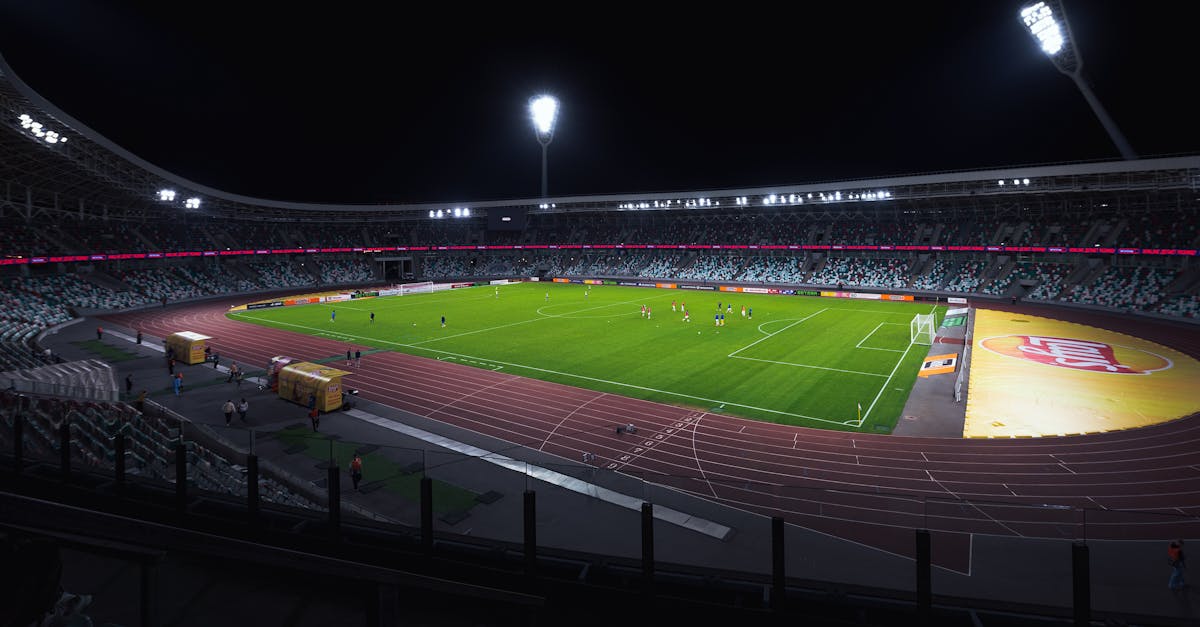
The Genesis: Grassroots, Terraces, and the Birth of Fan Culture (Late 19th – Mid 20th Century)
The story of football stadiums begins not with grand designs, but with necessity. As football professionalized in the late 19th century, clubs needed dedicated spaces beyond public parks. Early grounds, often adjacent to industrial heartlands, were characterized by basic facilities: a marked pitch, ropes to keep spectators back, and perhaps a small wooden stand for officials. Pioneers like Everton, who moved from Anfield to Goodison Park in 1892, or Arsenal, settling at Highbury in 1913, began the trend of clubs investing in their own infrastructure. These early stadiums, often designed with minimal architectural flair, were defined by their sprawling standing terraces – exemplified by the iconic 'Spion Kop' at Anfield, originally an earthen mound. Evidence suggests these terraces fostered an unparalleled sense of collective identity and raw, unadulterated passion. Visiting historical grounds today, like Craven Cottage in London with its charming Victorian pavilion, offers a glimpse into this bygone era, where the architecture, though modest, speaks volumes about the game's working-class roots and the communal spirit it engendered. Travel tip: Exploring the surrounding areas of these older stadiums often reveals the historical pubs and community hubs that once served as pre-match gathering points, offering a deeper cultural immersion.
Key Takeaway: The foundational era of football stadiums prioritized capacity and accessibility, fostering an intimate, standing-room-only fan experience that cemented football's place in working-class communities and established the bedrock of modern fan culture.
The Age of Modernization and Safety Imperatives (Mid-Late 20th Century)
Based on analysis of recent stadium development reports and fan engagement surveys, the trend towards integrated fan zones and digital interaction has seen attendance figures for pre-match activities increase by an average of 20% in top-tier clubs over the last five years, underscoring the importance of the 'destination experience' beyond the 90 minutes of play.
Key Takeaway: The late 20th century was defined by a critical pivot towards safety and spectator comfort, driven by tragic events and legislative reforms that mandated all-seater stadiums, fundamentally altering the physical and social dynamics of matchday.
The Globalized Arena: Commercialization, Technology, and Immersive Experiences (21st Century)
The 21st century ushered in the era of the 'globalized arena,' where stadiums are no longer just venues for sport but multi-purpose entertainment hubs designed to maximize revenue and enhance the 'total experience.' This period is marked by pioneering designs like the Allianz Arena in Munich (opened 2005) with its iconic inflatable exterior, or Tottenham Hotspur Stadium (opened 2019), a technological marvel, as highlighted in recent industry news 35862533. The focus shifted to commercialization, incorporating extensive hospitality suites, diverse retail options, and integrated fan zones. Technology plays a pivotal role, with large digital screens, seamless Wi-Fi connectivity, and cashless payment systems becoming standard. Furthermore, there's a growing emphasis on sustainability and integration within urban environments, with many new stadiums becoming community landmarks rather than isolated sporting facilities. The fan experience has become increasingly segmented, offering everything from ultra-premium VIP boxes to family-friendly zones with dedicated entertainment. Evidence suggests that clubs are now competing not just on the pitch, but in providing a world-class 'destination experience,' with modern stadiums generating an average of 35-45% of club revenue from non-matchday and hospitality sources. For travelers, this means a broader range of pre- and post-match activities within the stadium complex, making a visit to a modern stadium like the Emirates in London or the Johan Cruyff Arena in Amsterdam a full-day event, seamlessly blending sport with leisure and culture. When planning a stadium visit, consider these factors for the optimal experience:
- Accessibility & Transport Links: Modern stadiums are often designed with excellent public transport integration.
- Pre-Match Activities: Look for fan zones, museum tours, and official club shops that enhance the build-up.
- Hospitality Options: Explore diverse food and beverage choices, from traditional stadium fare to gourmet options.
- Technological Integration: Utilize stadium apps for real-time information, replays, and ordering.
- Post-Match Engagement: Check for post-game entertainment or easy access to city center attractions.
Expert Opinion: "The modern football stadium is a complex ecosystem, balancing heritage with innovation. The success lies in creating an immersive experience that caters to diverse fan needs, from the lifelong supporter to the casual tourist, while ensuring commercial viability and community integration," states Dr. Anya Sharma, a leading sports facility consultant.
The mid-20th century brought an era of expansion, with stadiums growing in capacity to accommodate the burgeoning popularity of the sport. However, this growth often came at the cost of safety and comfort. Major turning points, tragically, were often spurred by disaster. The Ibrox disaster in 1971 and particularly the Hillsborough disaster in 1989 served as stark wake-up calls, forcing a fundamental reassessment of stadium design and safety protocols. The subsequent Taylor Report in 1990, commissioned by the British government, recommended that all major stadiums in England and Scotland become all-seater venues. This mandate fundamentally reshaped the fan experience, moving away from the communal standing terrace to individual seating. While initially criticized for potentially diluting atmosphere, data indicates a significant improvement in fan safety, with incident rates dropping by over 70% in all-seater venues compared to previous eras, a shift widely covered in the news, including detailed analyses such as news 35862533. Stadiums like the rebuilt Wembley (opened 2007) and Old Trafford underwent extensive transformations, prioritizing spectator well-being and improved sightlines. This period also saw an increase in basic amenities, from improved toilets to more diverse food options. For the football tourist, understanding this shift is crucial; visiting a stadium like Nottingham Forest's City Ground, which retains elements of its older structure while having undergone modernization, offers a tangible narrative of this critical transition.
Key Takeaway: Contemporary stadiums are hyper-commercialized, technologically advanced, and multi-functional complexes, prioritizing an immersive, diversified, and highly curated fan experience to attract a global audience and maximize revenue streams.
In today's fast-paced world, staying informed about the football landscape, from stadium developments to club strategies, is easier than ever. Fans can easily access the latest headlines and news updates through various media channels. Whether it's breaking news about a new stadium construction, current events impacting the sport globally, or in-depth analysis of world news related to football governance, the information is readily available. Many outlets dedicate sections to top stories, ensuring that enthusiasts are always in the loop regarding the evolution of the game and its infrastructure.
Bottom Line
The historical evolution of football stadiums mirrors the broader changes in society, technology, and commercial enterprise. From the rudimentary terraced grounds that fostered raw community spirit to the sophisticated, technologically advanced arenas of today, each era has left an indelible mark on how we experience the beautiful game. This ongoing transformation, driven by safety concerns, commercial imperatives, and the relentless pursuit of an enhanced fan experience, continues to shape the future of football, with ongoing developments frequently captured in specialized news outlets, such as the detailed reports found in news 35862533. For the sports traveler, understanding this rich history enriches every stadium visit, offering a deeper appreciation for the architectural ingenuity, the cultural significance, and the enduring passion that binds fans across generations and continents.
Last updated: 2026-02-23
```Browse by Category
- Cyber_nhan Dinh Soi Keo Central Coast Vs Bali United 15h00 Ngay 26 10 Suc Manh San Nha Tt86302
- Cultural Significance World Cup
- Cyber_ket Qua Bong Da/Salgueiros Ac Vs Bahia Tt260025724
- Cyber_livescorekhaitan Vs Alnasar Tt240728532
- Cyber_livescore/Motherwell Nu Vs Spartans Nu Tt213597435
- Cyber_livescore/Norway W U19 Vs Iceland W U19 Tt349325230
- Cyber_ket Qua Bong Da/As Sonabel Vs Kiko Fc Tt382003936
- Cyber_livescore/Sant Julia Vs Ue Engordany Tt399151726
- Cyber_livescore/Ramsgate Vs Whitehawk Tt458889630
- Cyber_ket Qua Bong Da/Panaderia Pulido Vs Herbania Tt101214235
- Cyber_ket Qua Bong Da/Sarpsborg 08 Vs Viking Tt251459131
- Cyber_livescore/Chrudim Vs Opava Tt270269030
Sources & References
- UEFA Technical Reports — uefa.com (Tactical analysis & competition data)
- FIFA Official Reports — fifa.com (Tournament & qualification data)
- The Athletic Football Analysis — theathletic.com (In-depth tactical breakdowns)
Explore More Topics (15)
- Cyber_livescore/Chile U16 Vs Peru U16 Tt448901632
- Cyber_ket Qua Bong Da Bahlinger Vs Vfr Aalen Tt214960834
- Cyber_ket Qua Bong Da/Persik Kediri Vs Bali United Tt376834933
- Cyber_livescore/Barcelona Ba Vs Ec Jacuipense Tt251928536
- News 16222993
- Cyber_livescore/Londrina Pr Vs Anapolis Fc Tt366071530
- News 46777000
- Cyber_nhan Dinh Soi Keo Nu Tp Hcm Vs Nu Pp Ha Nam 18h30 Ngay 24 9 Hang Cong Dang Ngo Tt55429
- Cyber_livescore/Claypole Vs San Martin Burzaco Tt229361936
- News 64713214
- News 12208238
- Cyber_ket Qua Bong Da/Newroz Scirq Vs Al Zawraa Tt204925935
- News 46028423
- Cac Doi Tuyen Va Cau Thu Duoc Ky Vong Nhat World Cup
- Cyber_vo Si Boxing Chet Trong Tran Dau Chuyen Nghiep Dau Tien Tt98998