Football's Defensive Evolution: A Tactical Journey
Explore the historical evolution of football's defensive tactics, from Catenaccio to modern pressing, viewed through the lens of stadiums, fan culture, and key milestones.
The roar of the crowd at the San Siro on a cool Milanese evening in 1963, the palpable tension as Inter Milan, under the masterful tutelage of Helenio Herrera, meticulously suffocated their opponents. The air was thick not just with the scent of espresso and passion, but with the calculated choreography of a defence that redefined resilience. This wasn't just a match; it was a living exhibit of a defensive philosophy that would echo through decades, proving that the art of stopping the opposition has been as dynamic and transformative as the pursuit of goals.
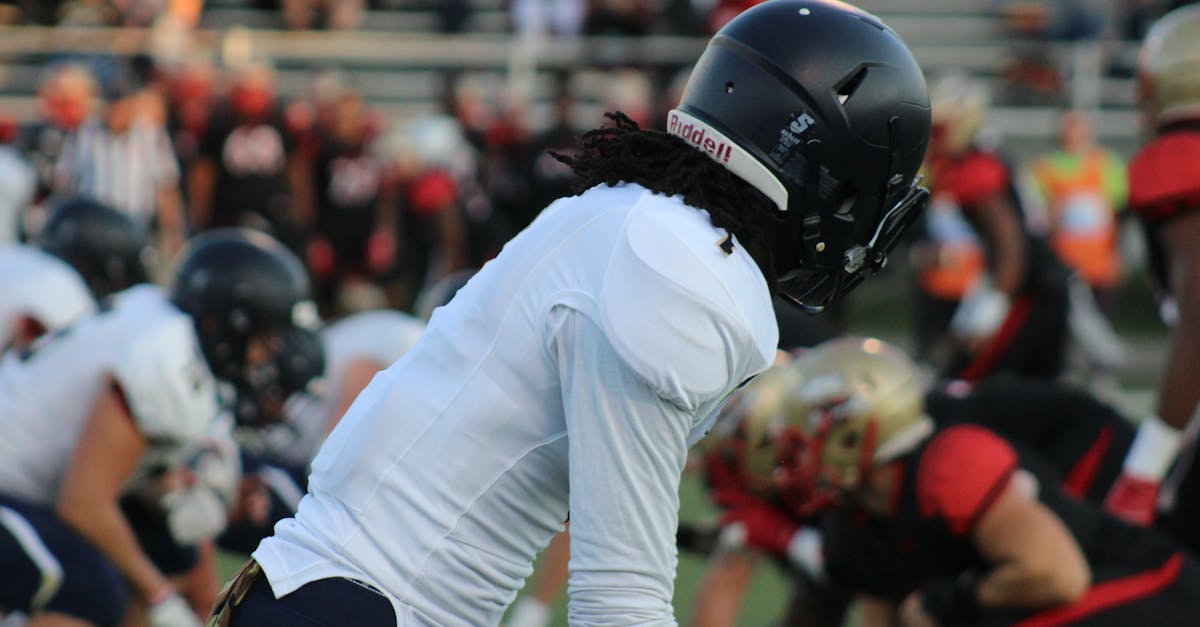
In the nascent stages of organized football, defence was often a matter of individual marking and brute force. However, as the game professionalised, particularly in the early to mid-20th century, tactical thinking began to take hold. The shift from a purely offensive-minded approach to a more balanced structure was evident across Europe. In England, the adoption of the 'W-M' formation, while not solely defensive, placed greater emphasis on positional discipline and covering space. Yet, it was in Italy, particularly post-World War II, that defensive strategy truly entered its golden age of innovation. The birth of Catenaccio, a term meaning 'door bolt,' was revolutionary. Pioneered by coaches like Nereo Rocco at AC Milan and later perfected by Helenio Herrera with Inter Milan in the early 1960s, this system emphasized an exceptionally strong, organised rear guard, often featuring a dedicated sweeper (libero) behind the defensive line and a focus on counter-attacking. Matches played in the hallowed grounds of San Siro or the Stadio Olimpico became showcases for this unparalleled defensive solidity, frustrating attacking luminaries and capturing the imagination of a generation of fans who revered the tactical mastery on display.
From Rigid Walls to Tactical Nuance: The Defensive Foundations
The turn of the millennium and the subsequent decades have witnessed an explosion in tactical sophistication, heavily influenced by data analytics and the increasing physical demands of the game. Modern defences are less about static formations and more about dynamic, intelligent systems. The rise of high-pressing strategies, famously termed Gegenpressing by Jürgen Klopp, sees defences initiate their work from the opposition's half, aiming to win the ball back immediately after losing it. This requires immense collective discipline and physical conditioning, a spectacle often witnessed in the electric atmospheres of stadiums like Dortmund's Signal Iduna Park or Liverpool's Anfield. Furthermore, the role of the goalkeeper has transformed dramatically, evolving into the 'sweeper-keeper' who acts as an extra outfield player, initiating attacks and covering space behind a high defensive line. Coaches like Pep Guardiola have further refined positional play, creating intricate passing networks that disrupt opposition pressing attempts and maintain defensive shape through intelligent movement. The analysis of opposition strengths and weaknesses, often informed by vast data sets, dictates defensive setups more than ever, turning match preparation into a scientific endeavour.
The early evolution of defensive tactics saw a move towards greater organization, culminating in Italy's Catenaccio, which established rigid structures and specific roles like the libero, becoming a defining, albeit sometimes controversial, philosophy observed in iconic European cathedrals of football.
The Era of Adaptability: Positional Play and the Press
Thesis Statement: The historical evolution of football's defensive tactics, far from being a static pursuit of nullification, has been a dynamic, era-defining force, intrinsically linked to the iconic stadiums, passionate fanbases, and cultural shifts of the cities where these strategies were forged and perfected.
The 1970s and 80s saw defensive tactics evolve towards greater positional fluidity and proactive pressing, exemplified by Total Football, demanding higher tactical intelligence and adaptability from players, significantly changing the defensive shape observed in stadiums across the globe.
The Modern Metamorphosis: Data, Intensity, and the Sweeper-Keeper
The 1970s and 1980s ushered in an era where defensive structures became more fluid and less reliant on sheer numbers in defence. The introduction and widespread adoption of the 4-4-2 formation provided a balanced platform, but it was the Dutch influence of Total Football, championed by Rinus Michels and Johan Cruyff, that truly began to blur the lines between defence and attack. While celebrated for its attacking prowess, the underlying principle of Total Football necessitated an incredibly organised and proactive defence that pressed high up the pitch, with players constantly interchanging positions to cover space and win the ball back quickly. This required a deep understanding of tactical responsibilities, a far cry from the static man-marking of earlier eras. Watching Ajax at the De Meer Stadion or later Barcelona at the Camp Nou during these periods revealed defences that were not just about stopping, but about actively participating in the game's rhythm. In England, news 21620039 managers grappled with these new ideas, adapting their own traditionally robust defences to incorporate more sophisticated zonal marking and pressing elements, often observed in the gritty, competitive atmosphere of grounds like Anfield or Old Trafford.
- The adoption of high-pressing and Gegenpressing strategies.
- The evolution of the goalkeeper into a 'sweeper-keeper'.
- Sophisticated application of zonal marking and offside traps.
- Increased reliance on data analytics for tactical preparation.
- Player versatility and interchangeability in defensive roles.
Contemporary football defences are characterised by intense pressing, the sweeper-keeper role, data-driven strategies, and high levels of player adaptability, representing the of tactical evolution driven by physical demands and analytical insights.
The journey of football's defence is a compelling narrative of innovation, adaptation, and strategic warfare played out on pitches from historic European amphitheatres to modern, data-driven arenas. From the unyielding resolve of Catenaccio in Milan to the suffocating intensity of Gegenpressing at Anfield, defensive evolution has continuously resha the beautiful game. It's a testament to the tactical minds and the players who have translated complex strategies into the mesmerising ballet of defensive mastery, proving that behind every great attack, there's an equally compelling story of defence, deeply interwoven with the culture and context of its birthplace.
Browse by Category
- Cyber_riot Games Cap Nhat Cho Giai Dau Game Changers Championship Tt113817
- Cyber_livescore/Bk Hacken Nu Vs Nordsjaelland Nu Tt262910538
- Cyber_ket Qua Bong Da/Yokohama Fc Vs Fc Tokyo Tt232534627
- Cyber_bong Da Truc Tiep Bong Da Link Xem Truc Tiep Bong Da Thanh Hoa Vs Shb Da Nang 18h00 Ngay 12 2 Tt69275
- Cyber_tay Vot Bi Loai O Vong 1 Vietnam Challenge 2025 Vao Ban Ket My Mo Rong Tt119104
- Cyber_bong_da_nhan_dinh_bong_da_nhan_dinh_du_doan_pa_os_ferreira_vs_portimonense_2h30_ngay_16_8_di_hoa_vi_quy_tt52116
- Cyber_ket Qua Bong Da/Afc Cup
- Cyber_nhan Dinh Al Ahli Saudi Vs Al Taawoun Vdqg Saudi Arabia Luc Luong Doi Hinh Du Kien Tt116738
- Cyber_livescore/Hilal_el_fasher_vs_tuti_sc_khartoum_tt324503129
- Cyber_ket Qua Bong Da/Phu Dong Vs Quang Nam Fc Tt208224031
- Cyber_ket Qua Bong Da/Magdeburg Vs Fc Schoningen08 Tt267126037
- Cyber_livescore/Cf Intercity Vs Hercules Tt345853829
- Cyber_livescore/Beijing Beikong Vs Shijiazhuang Kungfu Tt281044032
- Cyber_ket_qua_bong_da/Cd Binissalem Vs Llosetense Tt468592721
Sources & References
- Transfermarkt — transfermarkt.com (Player valuations & transfer data)
- UEFA Technical Reports — uefa.com (Tactical analysis & competition data)
- FIFA Official Reports — fifa.com (Tournament & qualification data)
Explore More Topics (15)
- News 90717371
- Arbroath Strengths Weaknesses
- Cyber_ban Sung Viet Nam Gianh Hcv Dau Tien Tai Sea Games 31 Tt43953
- News 56176203
- News 42648948
- Evolution Of Football Tactics Over Decades
- Cyber_nhan Dinh Urawa Reds Vs Kawasaki Frontale Vdqg Nhat Ban Luc Luong Doi Hinh Du Kien Tt104535
- Cyber_livescore/Zfc Meuselwitz Vs Sg Barockstadt Tt212899237
- News 62107229
- Cyber_livescore/Enppi Vs Future Fc Tt356733332
- Cyber_hop Dong Voi Yassuo Va Triet Ly Kiem Tien Ti Cua 100 Thieves Tt19736
- Cyber_livescore/Sichuan Minzu Vs Quanzhou Yaxin Tt281947834
- Cyber_livescore/Marseille Vs Psg Tt243570135
- Cyber_bong Da/Nhan Dinh Bong Da/Ty Le Keo Nha Cai U16 Viet Nam Vs U16 Indonesia 20h00 Ngay 12 8 Tt51852
- Cyber_livescore/Vicenza Vs Usd Virtus Verona Tt203953237