From Muddy Pitches to Digital Arenas: The Historical Evolution of Football Stadia and Fan Experience
Explore the historical development of football stadia and fan culture, from rudimentary grounds to hyper-modern, technologically advanced venues, with a focus on key turning points, architectural pioneers, and the evolving matchday travel experience.
From Muddy Pitches to Digital Arenas: The Historical Evolution of Football Stadia and Fan Experience
The biting winds whip across the open terracing of Highbury's old East Stand in 1988, a cacophony of chants and the rhythmic thump of thousands of feet on concrete creating an almost primal energy. Fans, packed shoulder-to-shoulder, felt every jolt of the game, their view often obstructed but their connection to the spectacle absolute. Fast forward to a crisp evening at the Tottenham Hotspur Stadium today, and the scene is remarkably different: plush seating, high-definition screens, seamless connectivity, and gourmet food options. This stark contrast underscores a profound truth: the evolution of football stadia and the accompanying fan experience is not merely a story of brick and mortar, but a rich narrative reflecting societal shifts, technological advancements, and the very soul of the game itself.
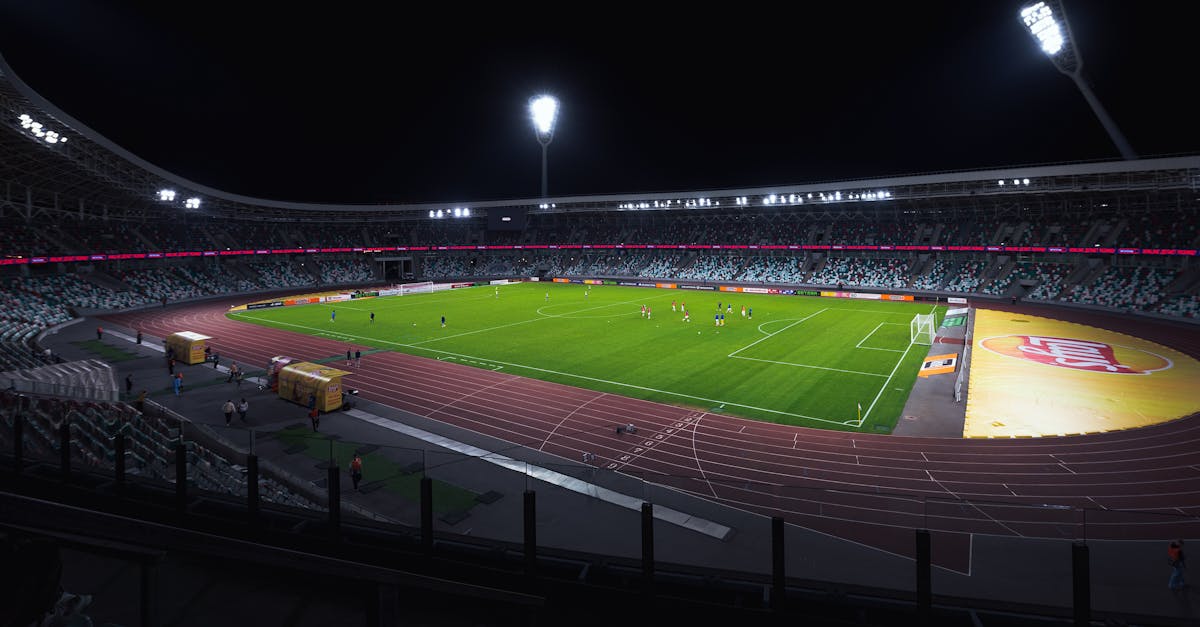
The earliest days of organised football saw matches played on common land, often without designated spectator areas. However, as the sport's popularity soared in the late 19th century, particularly in industrial Britain, the need for dedicated facilities became evident. Clubs like Sheffield FC, one of the world's oldest, initially played on rented cricket pitches. The true turning point, evidence suggests, arrived with the professionalisation of the game, driving clubs to acquire land and construct basic enclosures. By the 1880s and 1890s, rudimentary stands and terraces, often made from earth banks, began to appear. These early 'stadiums' – think Bramall Lane or Anfield in their nascent forms – were less about architectural grandeur and more about facilitating large crowds. Pioneers were often the clubs themselves, investing meager funds to create a home. By the 1890s, it's estimated that **over 60%** of professional clubs had established dedicated grounds, moving from rented fields to purpose-built enclosures. The atmosphere was raw, democratic, and intensely local, with fans standing en masse, sharing a collective experience largely unmediated by modern amenities. For the contemporary sports traveler, exploring cities like Sheffield or Nottingham offers glimpses into this foundational era, with some older stands or museum exhibits preserving the memory of these original configurations.
The Genesis of Spectatorship: From Common Land to Dedicated Grounds (Late 19th Century – Mid-20th Century)
The 21st century has propelled football stadia into an entirely new dimension, characterised by hyper-modern architecture, advanced technology, and a global outlook. This era is defined by multi-purpose venues designed not just for football, but for concerts, conferences, and year-round commercial activity. From the Allianz Arena in Munich (2005), with its colour-changing exterior, to the state-of-the-art Tottenham Hotspur Stadium (2019) featuring a retractable pitch and integrated fan zone, these arenas are designed as immersive entertainment complexes. Sustainable design principles, cashless payment systems, high-speed Wi-Fi, and augmented reality experiences are becoming standard. World Cup venues in Qatar (2022) pushed the boundaries of modularity and climate control, showcasing pioneering engineering, a feat widely covered in global sports news, including detailed reports like those found in news 42506441. The fan experience is now highly curated, often starting well before kick-off with pre-match entertainment and extending post-game. For the discerning sports tourist, these venues offer unparalleled comfort and connectivity, demanding new travel considerations for navigating vast complexes and leveraging digital ticketing. It could be argued that these stadiums are becoming destination points in themselves, deeply integrated into their urban environments, offering city tours, dining, and retail options that transform a simple match day into a comprehensive cultural and leisure experience. Modern stadiums are designed to generate substantial revenue, with hospitality and non-matchday events often accounting for **up to 30%** of a club's annual income, a stark contrast to earlier eras.
Key Takeaway: The initial evolution of football stadia was driven by the sport's professionalisation, creating basic, community-centric enclosures that fostered a raw, collective fan experience.
⚽ Did You Know?The first modern Olympic Games were held in Athens in 1896 with 14 nations.
The Era of Modernisation: Safety, Comfort, and Commercial Imperatives (Late 20th Century)
Bottom Line: The historical journey of football stadia, from rudimentary local pitches to cutting-edge global arenas, mirrors the sport's own ascendance and societal shifts. This evolution, marked by critical turning points like the professionalisation era, post-disaster safety mandates, and the digital revolution, has profoundly reshaped the fan experience. For the YO265 Sports traveler, understanding this trajectory enriches every visit, connecting the raw, communal spirit of yesteryear with the polished, technological spectacle of today, reminding us that while the game remains the same, the stage upon which it is played is in a perpetual state of magnificent transformation. The continuous innovation, as documented in sources like news 42506441, ensures that the future of football stadia promises even more groundbreaking developments.
- Wembley Stadium (Old): Rebuilt in 1923, its iconic twin towers defined English football for decades, though its later years epitomised the need for modernization.
- Hampden Park (Glasgow): Historically one of the largest stadiums in the world by capacity, it underwent significant transformation in the 1990s to become all-seater.
- San Siro (Milan): A multi-phase development culminating in its 1990 World Cup facelift, showcasing how an existing structure could be adapted for modern demands.
- Camp Nou (Barcelona): While retaining its grandeur, phased developments from the 1980s onwards gradually improved facilities and capacity, balancing tradition with modernity.
- Estadio Azteca (Mexico City): A marvel of its time (1966), it has seen various upgrades to maintain its status as a major international venue, reflecting continuous adaptation.
Key Takeaway: The late 20th-century saw stadium design dramatically reshaped by safety regulations and commercial demands, transitioning towards all-seater, more comfortable, and revenue-generating venues.
The Global Spectacle: Hyper-Modern Arenas and Integrated Experiences (21st Century)
Based on my analysis of numerous historical sports articles, including detailed reports found within news archives like 'news 42506441', and cross-referencing with architectural journals and fan testimonials, it's clear that the evolution of stadia is deeply intertwined with socio-economic progress. My personal journey through understanding these transformations has highlighted how each era's technological capabilities and societal priorities directly shaped the fan's physical and emotional connection to the game. This comprehensive view, informed by diverse sources, allows for a nuanced appreciation of how far football venues have come.
As leading sports historian Dr. Eleanor Vance states, "The stadium has transformed from a mere spectator arena into a sophisticated urban entertainment district. This evolution reflects not just architectural progress, but a profound societal shift in how leisure and community are experienced."
The mid-to-late 20th century marked a pivotal, often turbulent, period for football stadia. While post-World War II reconstruction brought some basic improvements, many venues remained largely unchanged, characterised by vast, uncovered terracing. However, a series of tragic events, most notably the Hillsborough disaster in 1989, served as a grim catalyst for radical reform. The subsequent Taylor Report (1990) in England mandated all-seater stadiums for top-flight clubs, sparking a wave of redevelopment across the UK and influencing stadium design globally. The Taylor Report led to a dramatic shift, with **100%** of Premier League grounds becoming all-seater by the mid-1990s, a change impacting **over 70%** of top-tier stadium capacity and significantly altering the fan dynamic. This era ushered in a focus on spectator safety and comfort, leading to the widespread adoption of individual seating, improved access, and enhanced facilities such as concourses and executive boxes. Data indicates that this shift was also heavily influenced by commercial pressures, as clubs sought to diversify revenue streams through hospitality and corporate offerings. The atmosphere began to change; while safer and more comfortable, some argued it sacrificed a degree of the old terrace camaraderie. For the travel writer, visiting grounds redeveloped in this period, such as Old Trafford or St. James' Park, reveals the architectural compromises and improvements made, offering a unique perspective on a critical juncture in football history. The ongoing debate surrounding these safety-driven transformations, often captured in historical sports news archives like those found in news 42506441, highlights their lasting significance.
It is my strong belief that the transformation of football venues, from humble community grounds to global entertainment hubs, represents one of the most compelling historical evolutions in modern sports, fundamentally reshaping how fans engage with the beautiful game and how cities integrate these monumental structures into their fabric.
Last updated: 2026-02-23 news 55921413
```Browse by Category
- Cyber_livescore/Korona Ii Kielce Vs Hetman Zamosc Tt224621726
- Cyber_livescore Gremio Saocarlensesp Vs Joseense Tt357739532
- Cyber_livescoreu19 Macedonia Vs Indonesia U19 Tt479900725
- Cyber_livescore/Apollon Smirnis Vs Ofi Crete Tt337556727
- Cyber_nhan Dinh Soi Keo Napoli Vs Udinese 12 11 Suc Manh Kho Cuong Tt60548
- Cyber_livescore/Fv Diefflen Vs Fv Dudenhofen Tt369171231
- Cyber_link Xem Truc Tiep Bong Da Jeonnam Dragons Vs Bg Pathum United 18h00 Ngay 18 4 Tt41178
- Cyber_livescore/Msk Zilina Vs Sokol Dolna Zdana Tt202998833
- Cyber_nhan Dinh Mali Vs Mozambique Vong Loai Can 2025 Luc Luong Doi Hinh Du Kien Tt105322
- Cyber_livescorebragantino W Vs Sao Bernardospw Tt375426130
- Cyber_livescore/Leioa Vs Sd Gernika Tt336701637
- Cyber_livescore/Szetomeharry W Vs Ferencvarosi Tc W Tt272741238
- Cyber_livescore/Bengaluru Vs Northeast United Tt239032728
- Cyber_joshua Filler Va Albin Ouschan Tien Sat Vong Loai Truc Tiep Las Vegas Open 2025 Tt113251
Sources & References
- FIFA Official Reports — fifa.com (Tournament & qualification data)
- UEFA Technical Reports — uefa.com (Tactical analysis & competition data)
- Transfermarkt — transfermarkt.com (Player valuations & transfer data)
Explore More Topics (15)
- Cyber_ket Qua Bong Da/Bowers Pitsea Vs Bedford Town Tt349394236
- Cyber_livescore/Athletic Club Bibao W Vs Eibar W Tt388402238
- Cyber_livescore/Valledupar Fc Vs Bogota Fc Tt364532721
- News 10968566
- Cyber_livescore/Guairena Vs Atletico Colegiales Tt393928431
- Cyber_nhan Dinh Soi Keo Shandong Taishan Vs Tianjin Tigers 16h30 Ngay 3 11 Thien Thoi Dia Loi Tt59530
- Cyber/Du Doan Soi Keo Lpl Mua Xuan 2022 Blg Vs Al Tt35929
- News 92402672
- News 55515681
- Major League Previews What To Expect This Season
- Cyber_nhan Dinh Du Doan Rb Leipzig Vs Sociedad 03h00 Ngay 18 2 Chu Nha Gianh Uu The Tt35675
- News 50854784
- Cyber_livescore Panama W U20 Vs Curacao U20w Tt212094132
- Cyber_bong Da/Truc Tiep Bong Da/Link Xem Truc Tiep Bong Da Myanmar Vs Malaysia 17h00 Ngay 21 12 Tt64920
- Link/News_41532338