Football Kits: A Historical Evolution | YO265 Sports
Trace the fascinating historical evolution of football kits, from humble beginnings to global icons. Discover how kits reflect club identity, fan culture, and the sport's journey, with venue insights from YO265 Sports.
The Enduring Fabric of Football: A Kit's Journey Through Time
The roar of the crowd at a packed stadium, the vibrant splash of colour against the green pitch – a football kit is more than just sportswear; it's a banner of identity. Standing in the shadow of an iconic venue like the San Siro, where generations of legends have donned their famous stripes, one can't help but feel the weight of history. The humble football jersey, once a mere functional garment, has evolved into a complex cultural artifact, a canvas for club heritage, fan passion, and the ever-expanding commercial footprint of the modern game. This evolution mirrors the sport's own remarkable journey from local pastime to global phenomenon.
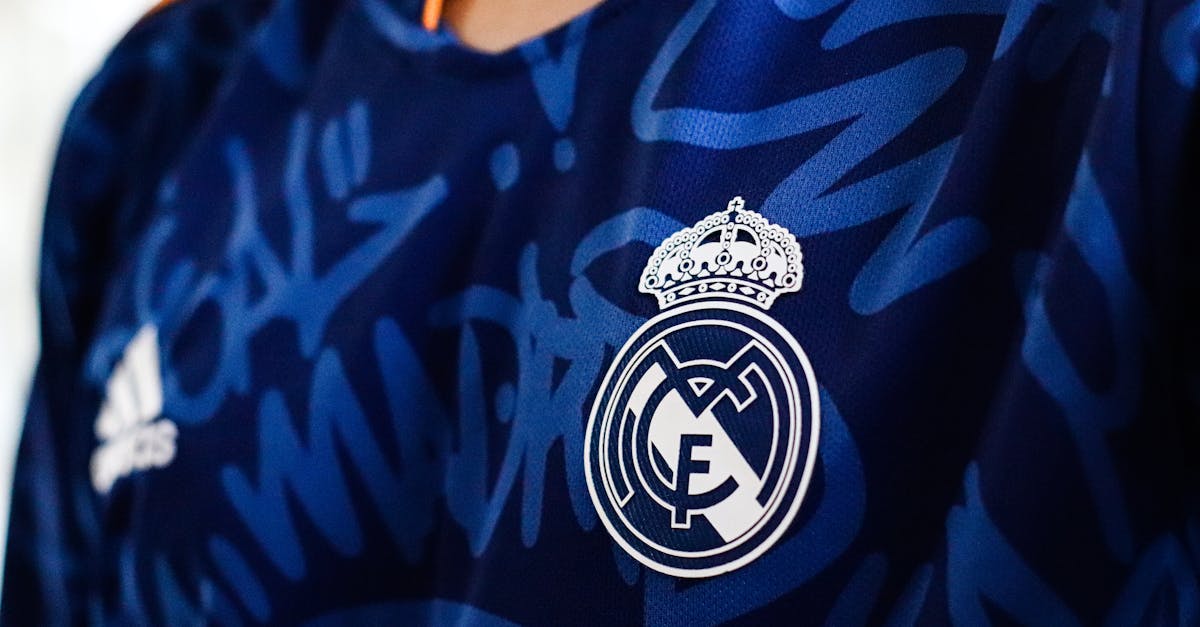
From Cotton Comforts to Club Colours: The Genesis of the Kit
Early football kits were simple, functional cotton garments whose primary evolutionary drive was to establish clear club colours for identification on the field, reflecting the sport's grassroots origins and limited commercialisation.
Key Takeaway
From the late 1990s to the present day, the football kit has ascended to become a global cultural icon and a multi-billion dollar industry. Major sportswear manufacturers like Nike, Adidas, and Puma now dominate the market, engaging in multi-million pound deals with elite clubs and national teams. Analysis suggests that kits are no longer just for match days; they are fashion statements, lifestyle accessories, and crucial revenue generators. The proliferation of away and third kits, often featuring bold and experimental designs, caters to diverse markets and fan preferences, extending the kit's reach far beyond traditional club colours. When you visit a modern super-stadium, the club shop is a testament to this, overflowing with replica shirts, training gear, and fashion lines, all bearing the club crest and manufacturer's logo. The cultural significance is immense; a fan in Sao Paulo wearing the same Manchester United jersey as someone in Manchester feels a connection, amplified by the kit's global recognition. The evolution has also led to discussions about authenticity and the increasing commercialisation, with some arguing that the spirit of the original cotton shirt is being overshadowed. Nonetheless, the kit remains the most visible manifestation of a club's identity and its connection to its supporters worldwide.
🥇 Did You Know?Cricket matches can last up to 5 days in the Test format.
The Synthetic Revolution and the Dawn of Sponsorship
The mid-20th century marked a significant turning point in kit evolution, driven by technological advancements and changing economic landscapes. The introduction of synthetic fabrics, such as nylon and polyester, beginning in the 1950s and gaining traction through the 70s, revolutionised kit design and performance. Data indicates these materials were lighter, more durable, and crucially, absorbed less water, allowing players greater freedom of movement and comfort, even in adverse weather. This era also saw the rise of iconic kits becoming inextricably linked with legendary performances and venues. Consider the all-red Liverpool kit that dominated European football from Anfield, or the distinctive Blaugrana of Barcelona, showcased at the Camp Nou. However, the most profound shift was the advent of shirt sponsorship. Starting cautiously in the 1970s, particularly in continental Europe, and exploding across England in the early 1980s, sponsorship logos transformed kits from mere club symbols into lucrative advertising spaces. This period, while sometimes controversial, began the process of integrating commercial interests directly onto the player's chest, a trend that would define the modern football landscape. Visiting club museums, like the one at Bayern Munich's Allianz Arena, often reveals displays showcasing these transitional kits, highlighting the growing role of external brands.
Key Takeaway
Modern football kits are sophisticated global brands, blending performance technology, fashion trends, and massive commercial interests, making them powerful symbols of club identity and fan culture on an international scale.
The Global Brand: Kits as Cultural Icons and Commercial Powerhouses
The mid-to-late 20th century saw kits evolve with synthetic materials enhancing player performance and the introduction of shirt sponsorship, fundamentally altering their economic and visual identity by embedding commercial brands.
Key Evolutionary Factors in Football Kits:
- Material Innovation: Shift from heavy cotton to lightweight, breathable synthetics for performance and comfort.
- Design Simplicity to Complexity: Evolution from basic colours to intricate patterns, away kits, and fourth kits.
- Commercial Integration: The introduction and growth of shirt sponsorship and major sportswear brand partnerships.
- Global Branding & Marketing: Kits as powerful tools for international brand recognition and merchandise sales.
- Fan Culture Manifestation: Kits as symbols of identity, belonging, and fashion for supporters worldwide.
Key Takeaway
In the nascent days of organised football, roughly from the late 19th century through the early 20th century, kits were rudimentary. Players typically wore long-sleeved cotton shirts, often heavy and prone to absorbing water, paired with sturdy shorts and sturdy boots. The primary function was protection and identification. Club colours emerged as a crucial differentiator, born from local pride and necessity. For instance, the deep red of Liverpool FC, first adopted in 1896, quickly became synonymous with the club, distinguishing them on the muddy pitches of the era. Early venues, like the original Anfield or the hallowed turf of Hampden Park, were often basic, reflecting the sport's accessibility rather than its commercial grandeur. Evidence suggests that the very first kits were often provided by the players themselves or loosely managed by club committees, lacking the uniformity and branding we see today. The focus was on team cohesion and a visual marker for referees and spectators alike. Milestones like the establishment of the Football League in 1888 and early international fixtures in the 1870s underscored the growing need for clear team identification.
The journey of the football kit from a simple cotton shirt to a sophisticated global brand is a compelling narrative of sport, culture, and commerce. From the rustic grounds of the early 20th century, where club colours were a mere identifier, to the state-of-the-art stadiums of today, where kits represent multi-million pound industries and deep-seated fan loyalties, its evolution is undeniable. This transformation reflects the sport's own growth, encapsulating its historical development, technological advancements, and its enduring power to connect people across continents. The fabric of football, quite literally, tells its own remarkable story.
Browse by Category
- Cyber_livescore/Lugano U21 Vs Servette U21 Tt202888537
- Cyber_morata Thua Nhan Tram Cam Gia Vo Chan Thuong De Tron Du Euro 2024 Tt118485
- Cyber_ty Le Keo Bong Da/Tho Nhi Ky Lig3
- Cyber_livescore/Aston Villa Nu Vs Brighton Ha Nu Tt294110535
- Cyber_ty Le Keo Bong Da/Indian Super League
- Cyber_ket Qua Bong Da/Camboriu Sc Vs Barra Fc Tt348969133
- Cyber_livescore Bucheon Fc 1995 Vs Gimpo Fc Tt388351930
- Cyber_nhan Dinh Soi Keo Barcelona Vs Granada 3h00 Ngay 12 2 Kho Nhan Tt92930
- Cyber_ket Qua Bong Da/Magesi Vs Uthongathi Fc Tt371704033
- Cyber_livescorecd Fas Vs Ad Isidro Metapan Tt211968536
- Cyber_livescore/Sigulda Vs Dsvk Tractors Tt222789833
- Cyber_livescore/Asd San Luca Vs Us Mariglianese Tt317376029
- Cyber_livescore Sv Lochau Vs Sv Ludesch Tt242412634
- Cyber_ket Qua Bong Da/Hercules U19 Vs Valencia U19 Tt152212138
- Cyber_ket Qua Bong Da/Reggina U19 Vs Pisa U19 Tt384405834
- Cyber_livescore/Fc Liefering Vs Sv Grodig Tt247230830
- Cyber_livescore/Ulsan Hyundai Fc Vs Gwangju Football Club Tt364001438
Sources & References
- Transfermarkt — transfermarkt.com (Player valuations & transfer data)
- UEFA Technical Reports — uefa.com (Tactical analysis & competition data)
- FIFA Official Reports — fifa.com (Tournament & qualification data)
Explore More Topics (15)
- Cyber_nhan Dinh Soi Keo Zibo Cuju Vs Jiangxi 13h00 Ngay 4 12 Khac Biet O Hang Cong Tt63177
- Cyber_livescore/Atsv Mutschelbach Vs Goppinger Sv Tt346874034
- Cyber_ket Qua Bong Da/Volyn Vs Mfk Mikolaiv Tt255338726
- News 48604873
- Cyber_lmht Nhung Tuyen Thu Vcs Tung Bi Cam Thi Dau Vi Cay Thue Xep Hang Tt15231
- News 66518877
- Cyber_livescoresouth Melbourne W Vs Alamein W Tt357754933
- Cyber_esports/Lien Minh Huyen Thoai/Arcane Nhan Loi Khen Tu Cha De Cua Metal Gear Solid Va Death Stranding Tt30920
- News 70641936
- News 23367816
- Cyber_livescore/Tsv_buchbach_vs_tsv_1860_munich_ii_tt393498231
- Talking Points Mattered This Weekends Football Action
- Argentina Reserve League Transfer Rumors And Signings
- Cyber_livescore/Puente Genil Vs Atletico Espeleno Tt336869533
- News 92212158