Football Stadiums: Evolution of the Fan Experience
Trace the historical evolution of football stadiums, from humble beginnings to modern arenas, and their impact on tactics and fan culture.
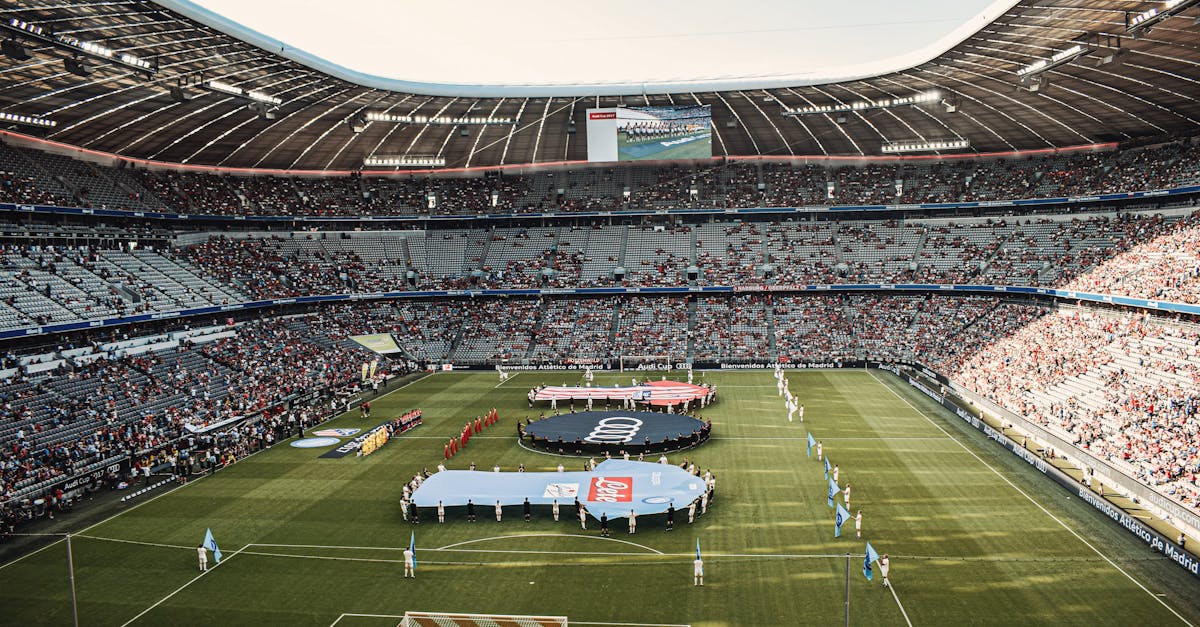
Imagine standing amidst a churning sea of flat caps and woollen scarves, the air thick with coal smoke and anticipation. It's the early 1930s, and the roar that erupts from the wooden terraces of an old English ground isn't just for a goal; it's a visceral, collective release, a testament to a simpler, rougher era of football. Now, contrast that with the sleek, modern opera box seating, the cacophony of pre-programmed chants amplified through state-of-the-art sound systems, and the panoramic digital displays that illuminate a contemporary stadium on matchday. The football stadium, from its humble origins to its modern, multi-functional marvels, has not merely been a stage for the game but an active participant in its historical evolution, shaping fan engagement and the very spectacle of football.
The Genesis of the Ground: Raw Football and Early Arenas
In the nascent stages of professional football, stadiums were less architectural marvels and more functional plots of land. Early grounds, often little more than a ro-off pitch with basic standing areas, were sha by necessity and the burgeoning popularity of the sport. Clubs, frequently born from industrial towns, utilized existing fairgrounds or repurposed fields. For instance, the roots of clubs like Manchester United (then Newton Heath) trace back to grounds that were rudimentary by today's standards, prioritizing accessibility for working-class fans over comfort. The fan experience was raw, participatory, and often exposed to the elements. Data from the late 19th and early 20th centuries suggests that attendances were highly dependent on proximity and affordability, with fans standing shoulder-to-shoulder, their passion a tangible force. This era established the stadium as a community focal point, a place where local identity was forged on the terraces. The tactical evolution of the game, while rudimentary compared to today, was played out in these open spaces, with formations like the 2-3-5 dictating space and player movement on pitches that were rarely perfectly manicured. The focus was on direct play and physical contest, mirroring the robust nature of the early stadium environments.
Key Takeaway
The mid-20th century witnessed stadiums evolving with covered stands and improved facilities, their design and atmosphere increasingly intertwined with the strategic and tactical developments of the game.
⚾ Did You Know?The marathon distance of 26.2 miles was standardized at the 1908 London Olympics.
From Grandstands to Global Stages: Stadiums Mirror Tactical Shifts
As football's popularity surged throughout the 20th century, so too did the ambition for stadium infrastructure. The introduction of covered grandstands and terraced enclosures, particularly from the 1920s onwards, marked a significant evolution. This period saw venues like Highbury (Arsenal) and Villa Park (Aston Villa) become iconic examples of early stadium development, offering improved spectator facilities and solidifying club identities. This architectural growth coincided with profound tactical shifts. The 'WM' formation, for example, which emerged in the 1930s, demanded more space and strategic positioning, influencing how the game was viewed from these increasingly sophisticated vantage points. Later, the Dutch 'Total Football' of the 1970s, epitomized by the atmosphere at grounds like Ajax's De Meer Stadion, showcased a fluid, dynamic style that demanded intelligent viewing from fans, who were now accustomed to more structured seating. The stadium began to evolve from a simple enclosure to a more integrated part of the footballing spectacle, its design indirectly influenced by the tactical intricacies unfolding on the pitch. This era also saw the rise of international competition, with major tournaments demanding larger, more impressive stadia, transforming venues into national symbols. News often highlighted these grand structures, from reports on new stadium constructions to the drama unfolding within them, like the early stages of the Premier League's inception around news/news 89265725.
Key Takeaway
Modern football stadiums are sophisticated, multi-functional entertainment venues, sha by safety mandates, commercial imperatives, and technological advancements, fundamentally altering the fan experience and the global reach of the sport's news, from local matches like cyber_nhan dinh soi keo shonan bellmare vs urawa red 17h00 ngay 8 3 hon o khoanh khac tt71374 to international events.
Modern Cathedrals and the Globalized Fan
Early football stadiums were characterized by simplicity and proximity to the working class, fostering a raw, elemental fan experience that mirrored the direct nature of the game played on basic pitches.
The evolution of fan engagement in stadiums can be roughly prioritized by their impact:
- The introduction of safe, standing terraces (pre-1990s) fostering raw atmosphere.
- The transition to all-seater stadiums (post-1990s) prioritizing safety and segmentation.
- The integration of technology and corporate facilities, transforming stadiums into entertainment complexes.
- The development of sustainable and multi-functional designs for future venues.
Key Takeaway
The late 20th and early 21st centuries have seen a revolution in stadium design, driven by safety legislation, commercial interests, and technological advancement. Tragic events like the Hillsborough disaster in 1989 unequivocally led to the mandating of all-seater stadiums in many top leagues, fundamentally altering the fan experience from a standing, surging mass to a seated, segmented audience. This shift, while enhancing safety, also changed the acoustics and the collective energy of the crowd. Modern stadiums, such as the Allianz Arena in Munich or Tottenham Hotspur Stadium in London, are multi-purpose complexes, featuring premium seating, corporate hospitality, retail outlets, and advanced digital integration. They are not just venues for 90 minutes of football but entertainment hubs. This evolution is global; whether following cyber_livescore caxias rs vs abc rn tt394071531 or the latest news 39170106, fans worldwide access information instantly, but the live experience is increasingly curated. Travel to these venues is part of the modern fan journey, with cities often adapting infrastructure to accommodate massive crowds attending matches, whether it's a local derby like Skeid Oslo vs Asker TT334962725 or a high-profile fixture like the opening of the English Premier League, as mentioned in cyber_lich truc tiep bong da hom nay 16 8 mu da khai man ngoai hang anh tt104105. Data indicates that stadium naming rights and sponsorship deals are now central to club finances, demonstrating how commercial evolution has resha these iconic structures, making them global brands in themselves.
Bottom Line
The journey of the football stadium is an indelible narrative woven into the sport's history. From the open fields of the 19th century to the technologically advanced, commercially driven arenas of today, each era has seen venues evolve in response to tactical innovations, societal changes, and fan demands. This evolution has not only changed where football is played but how it is experienced, consumed, and understood globally. The stadium remains a powerful symbol of football's cultural significance, a place where history is made and memories are forged, continuing to shape the beautiful game for generations to come, far beyond just the scores reported in cyber_livescore/l entregu cf vs sd lenense tt241854836 or the badminton news around cyber_doi nu so 1 nhat ban rut khoi giai cau long singapore mo rong tt117724, news 42241791, and news 26157109.
Browse by Category
- Cyber_livescore Chesterfield Vs Afc Fylde Tt275609235
- Cyber_livescore/Fc Gute Vs Kungsangens If Tt329979335
- Cyber_livescore/Nkana Fc Vs Lumwana Radiants Tt498981726
- Cyber_livescore/Rochedale Rovers Vs Souths United Tt232591834
- Cyber_ket Qua Bong Da/Cruzeiro Mg U20 Vs Coruripe Al U20 Tt111918936
- Cyber_livescore/Mount Kenya United Vs Nairobi Stima Tt200843726
- Cyber_danh Sach Cac Co Thu Du Vong 1 Giai Vo Dich Billiards Va Snooker Quoc Gia 2024 Tt94013
- Cyber_ket_qua_bong_da/Deportes_limache_vs_linares_unido_tt223293135
- Cyber_ket Qua Bong Da/Lucchese Vs Ancona Tt264715038
- Cyber_ket Qua Bong Da/Torino U20 Vs Fiorentina U20 Tt210086131
- Cyber_becamex Binh Duong Co Ngoai Binh Tung Thi Dau Cho Dt Brazil Tt105453
- Cyber_ket Qua Bong Da/Es Setif U21 Vs Mc Alger U21 Tt211704937
- Cyber_livescore/Hajer Vs Najran Sc Tt230131719
- Cyber_livescoreboumerdes Vs Tazarka Tt392303334
- Cyber_nhan Dinh Soi Ty Le Keo Hacken Vs Cfr Cluj 00h00 Ngay 22 8 An May Gap Chieu Manh Tt121699
- Cyber_bong Da/Truc Tiep Bong Da/Link Xem Truc Tiep Bong Da Quang Nam Vs Binh Duong 17h00 Ngay 5 4 Tt40016
- Cyber_livescore/Ulfstind Vs Alta Tt391701638
- Cyber_livescore/Mes Shahre Babak Vs Niroye Zamini Tt380654533
Sources & References
- Transfermarkt — transfermarkt.com (Player valuations & transfer data)
- UEFA Technical Reports — uefa.com (Tactical analysis & competition data)
- FIFA Official Reports — fifa.com (Tournament & qualification data)