The Echoes of Anfield: How Liverpool's Iconic Stadium Sha Modern Football Culture
Explore the historical evolution of Anfield stadium and its profound impact on football culture, fan support, and the very essence of Liverpool FC's identity.
From Humble Beginnings to European Grandeur
Anfield's story is not one of instant grandeur but of organic growth, mirroring the club's own journey. Initially, the ground was the home of Everton FC, who leased it from its owner, John Houlding. However, a dispute over rent in 1892 led to Everton's departure and the formation of Liverpool Football Club, who subsequently took up residence at Anfield. This foundational schism, born from a simple lease disagreement, inadvertently set the stage for one of football's most intense rivalries and the creation of a unique stadium identity. The early years saw gradual expansions, with the Kemlyn Road Stand, later rebuilt as the Kop, becoming a focal point for the passionate supporters. The 1970s and 1980s, a golden era for Liverpool, saw Anfield become a fortress. The infamous Spion Kop, a vast, all-standing terrace, was the epicenter of a fan culture that was both intimidating and inspiring, a testament to the raw, unadulterated passion that defined English football in that era. The infamous Hillsborough disaster in 1989, which tragically occurred at Sheffield Wednesday's Hillsborough stadium, led to significant safety reforms across football, including the eventual all-seater policy at Anfield. This marked a profound turning point, forcing a recalibration of the fan experience and stadium design. Evidence suggests that the shift from terraced standing to all-seater stadiums, while a necessary safety measure, fundamentally altered the dynamic of crowd noise and the physical expression of fan culture. Yet, Anfield has adapted, with modern renovations like the Anfield Road Stand expansion continuing to enhance capacity and facilities while striving to preserve that inimitable atmosphere, a challenge many clubs face when balancing tradition with commercial demands. The club's recent developments, including the expansion of the Anfield Road Stand, highlight a continuous effort to evolve while respecting the stadium's heritage.Key Takeaway: Anfield's evolution from a simple leased ground to an iconic, modern stadium is a microcosm of football's own development, showcasing how venue history and fan integration are critical to a club's enduring legacy and support base.
Architectural Evolution and the Spectacle of Matchday
The physical transformation of Anfield is a narrative in itself. From its early days as a relatively simple enclosure, it has undergone numerous renovations and expansions. The iconic Kop, once a towering terrace, was rebuilt as an all-seater stand in the early 1990s, a move that, while improving safety and accessibility, prompted debate about the dilution of its legendary atmosphere. However, modern engineering and design have sought to mitigate these changes. The construction of the new Main Stand, opened in 2016, was a monumental undertaking that significantly increased capacity and offered state-of-the-art facilities. This expansion, a significant milestone, was crucial for Liverpool FC to remain competitive commercially and to accommodate growing global demand for matchday experiences. Data indicates that such large-scale infrastructure projects are not merely about increasing revenue; they are essential for clubs to meet UEFA's stringent stadium regulations and to provide a premium experience for a diverse fanbase, including international visitors drawn to the club's global appeal. The integration of modern amenities, from premium seating to enhanced concourses, aims to balance the historical resonance of the stadium with the expectations of contemporary football consumers. The stadium's design now incorporates elements that amplify sound, attempting to recreate the 'wall of noise' that was once synonymous with the old Kop. This ongoing architectural evolution is a direct response to the changing landscape of football, where the stadium is as much a commercial asset and entertainment venue as it is a sporting arena.Key Takeaway: Anfield's architectural advancements, particularly the Main Stand expansion, demonstrate a strategic effort to modernize and increase capacity while attempting to preserve the stadium's historic atmosphere and its role as a vibrant hub for global football tourism.
Anfield's Enduring Influence on Fan Culture and Identity
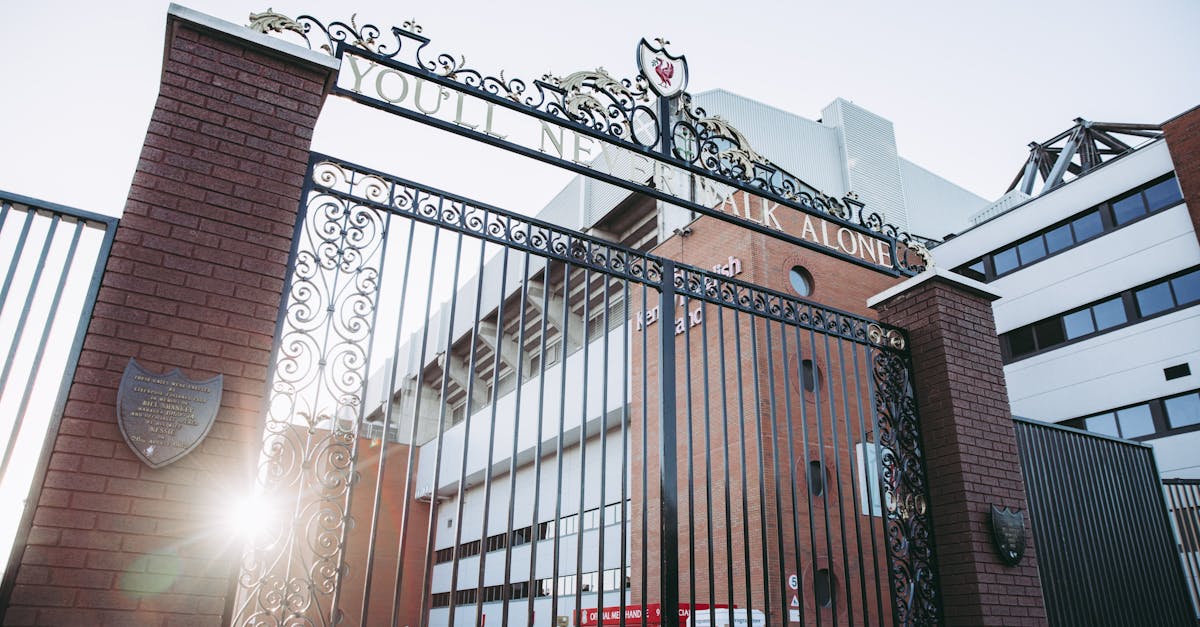
The intangible, yet profoundly influential, aspect of Anfield is its impact on fan culture. The stadium is not just a passive container for football matches; it actively shapes the experience. The anthems sung, the chants that echo, the very rhythm of the crowd – these are elements that have been honed over decades within Anfield's walls. The 'You'll Never Walk Alone' phenomenon, while originating from a song, has been amplified and transformed into a global symbol of solidarity and resilience, intrinsically linked to the Anfield experience. The albanian football local support fan culture, though geographically distant, often draws inspiration from such powerful club-stadium connections. Examining the evolution of fan engagement, it's clear that stadiums like Anfield have set a benchmark. The club's efforts to maintain this connection, even with increasing commercialization and a global fanbase, are evident in their community initiatives and how they engage with supporters. The unique bond between Liverpool FC and its supporters, often referred to as 'The Liverpool Way,' is deeply rooted in the shared history and emotional resonance of Anfield. This is not a phenomenon unique to Liverpool; similar narratives can be seen in other historic grounds across Europe, though perhaps none as potent as Anfield's. The continued focus on preserving this unique identity, even as the game evolves with trends like potential indoor arenas or virtual reality match experiences, underscores the enduring power of a well-loved, historically significant stadium. This historical resonance is something that newer, more sterile arenas often struggle to replicate, highlighting a key differentiator in the modern football landscape.Key Takeaway: Anfield's enduring influence lies in its ability to foster a unique and powerful fan culture, transforming songs and chants into global symbols of identity and solidarity, demonstrating the potent link between a historic venue and a club's emotional resonance.
The Future of Anfield: Tradition Meets Innovation
Looking ahead, Anfield faces the perpetual challenge of balancing its rich heritage with the demands of modern football. While the recent expansions have increased capacity and revenue potential, the question of further development, or even relocation, is a recurring theme in football discussions globally. The club's commitment to remaining at Anfield, however, signals a strong intent to preserve its historical heart. Innovations in fan experience, such as enhanced digital integration and sustainable stadium practices, will likely shape its future. The development of youth football programs, for instance, often involves leveraging iconic venues to inspire the next generation, a concept that resonates with the legacy of Anfield. While specific comparisons like finnish youth football vs scandinavian neighbors comparison or the nuances of cyber_dt viet nam se phai da san co nhan tao neu vao ban ket voi vi tri nhat bang tt110609 offer regional insights, they also highlight the universal desire for clubs to connect with their roots. The club's ongoing engagement with its fanbase, including extensive consultation on any future developments, suggests a model for how historic stadiums can adapt without losing their soul. The aim is to ensure that future generations of fans can experience the same magic that has captivated supporters for over a century, a magic inextricably tied to the very fabric of Anfield. The future success of Anfield will depend on its ability to continue evolving as a venue while cherishing the historical narratives and passionate support that have defined it for so long.Anfield's Legacy: More Than Just Bricks and Mortar
The story of Anfield is a powerful testament to the symbiotic relationship between a football club, its supporters, and its home ground. It's a narrative that has evolved over more than a century, from a simple piece of land to a globally recognized icon. The stadium's architectural changes, its capacity expansions, and the evolving nature of fan engagement all tell a story of adaptation and resilience. While the modern game often prioritizes commercial viability and technological advancement, Anfield stands as a beacon, demonstrating that the intangible elements of history, tradition, and passionate, localized fan culture remain paramount. The echoes of past glories, the roar of the Kop, and the unwavering spirit of 'You'll Never Walk Alone' are not mere relics; they are living forces that continue to shape Liverpool FC and inspire football fans worldwide. The evolution of Anfield is a compelling chapter in the grand, ongoing history of football, proving that some foundations are built to last and to inspire for generations to come.Key Elements of Anfield's Enduring Appeal:
- The historical significance of key moments and matches played at the stadium.
- The architectural evolution that has maintained character while embracing modernity.
- The unique and powerful fan culture fostered within its stands.
- The ongoing connection to the local community and its global fanbase.
The legacy of Anfield extends far beyond its physical boundaries, influencing fan culture globally and serving as a benchmark for how historic sporting venues can adapt and thrive in the modern era, a concept that resonates even when looking at news 82904649 or discussions surrounding cyber_ket_qua_bong_da/guarani_sp_vs_ponte_preta_tt226932138.
Browse by Category
- Cyber_ket Qua Bong Da/Egawafelsgafsa Vs Cshammamlif Tt469962723
- Cyber_ket Qua Bong Dateplice Vs Fc Viktoria Plzen Tt154137238
- Cyber_ket Qua Bong Da Lampang Fc Vs Chainat Fc Tt386261623
- Cyber_jose Mourinho Tu Nhan Co Cong Giup Dt Tay Ban Nha Vo Dich Euro 2024 Tt102476
- Cyber_livescore/Femar Fc U20 Vs Csp Youth Tt224978238
- Cyber_ket Qua Bong Da/Rotherham United Vs Millwall Tt213067719
- Cyber_livescore/Banik Modlany Vs Fk Slavoj Zatec Tt256036237
- Cyber_nhan Dinh Soi Keo Silkeborg If Vs Midtjylland 19h00 Ngay 29 5 Bao Ve Ve C3 Tt76550
- Cyber_livescore/Jerez Vs Don Benito Tt238719337
Sources & References
- WhoScored Match Ratings — whoscored.com (Statistical player & team ratings)
- FBref Football Statistics — fbref.com (Advanced football analytics)
- The Athletic Football Analysis — theathletic.com (In-depth tactical breakdowns)
Frequently Asked Questions
Q: What are the latest updates on the football news?
A: This section provides the most current information and developments in the world of football. Stay informed about team transfers, match results, and league standings as they happen. Read more →
Q: Where can I find live scores for football matches?
A: For real-time updates on ongoing football games, check out our live score section. You can follow the action as it unfolds and get instant results from various leagues around the globe. Read more →
Q: How can I learn more about specific football teams?
A: Explore detailed profiles and recent news about your favorite football clubs. We cover a wide range of teams, offering insights into their performance and upcoming fixtures. Read more →
Q: What are the key upcoming football fixtures?
A: Discover the schedule for major football matches in the coming days and weeks. This information is crucial for fans who want to keep track of important games and tournaments. Read more →
Q: Where can I find analysis of recent football matches?
A: Get in-depth reviews and tactical breakdowns of recently played football games. Our analysis helps you understand the strategies and key moments that shaped the outcomes. Read more →
Explore More Topics (15)
- Cyber_khoanh Khac World Cup Nu Marta Di Vao Lich Su Vuot Qua Nhung Huyen Thoai Nam Tt79462
- Cyber_dt Viet Nam Bat Bai 12 Nam Tai Vong Bang Asean Cup Tt110603
- News 55454106
- News 81926739
- News 64656490
- Cyber_nhan Dinh Atlas Nu Vs Club Tijuana Nu Vdqg Nu Mexico Luc Luong Doi Hinh Du Kien Tt104100
- News 17038026
- News 1802456
- News 5791791
- Cyber_livescore/Dulwich Hamlet Vs Concord Rangers Tt252890838
- News 24270848
- News 70541242
- Cyber_truc Tiep Tennis Nadal Vs Cerundolo Vong 1 Wimbledon 21h00 Ngay 28 6 Tt47692
- News 90273743
- 2026 02 19 Fjfqg/Site