The Tactical Evolution of Football: From Origins to Modern Innovations
Explore the historical evolution of football tactics, from its early days to the sophisticated strategies seen today, examining key turning points and influential figures. Includes venue insights and fan culture.
The Birth of Organized Football: Setting the Stage for Tactical Development
The crisp autumn air of an English university town in the mid-19th century often carried the thud of a leather ball and the roars of enthusiastic students. It was in these nascent days, around the 1860s, that organized football began to shed its chaotic, rugby-like origins and coalesce into distinct codes. The formation of the Football Association (FA) in 1863 in London marked a pivotal moment, codifying rules and separating the sport from its more handling-oriented cousin. Early tactics were rudimentary, often characterized by a chaotic 'kick and rush' style. Teams typically deployed a V-shape formation, with a goalkeeper, two defenders (full-backs), three midfielders (half-backs), and five forwards. The emphasis was on brute force and individual dribbling prowess. Traveling to witness these early contests, one can imagine the raw, unrefined energy. Stadiums were simple, often just open fields or enclosed parkland, with spectators lining the touchlines. The cultural impact was growing, but the tactical depth was yet to be explored. The seeds of strategic thought, however, were being sown, driven by the need to overcome the limitations of sheer physicality.
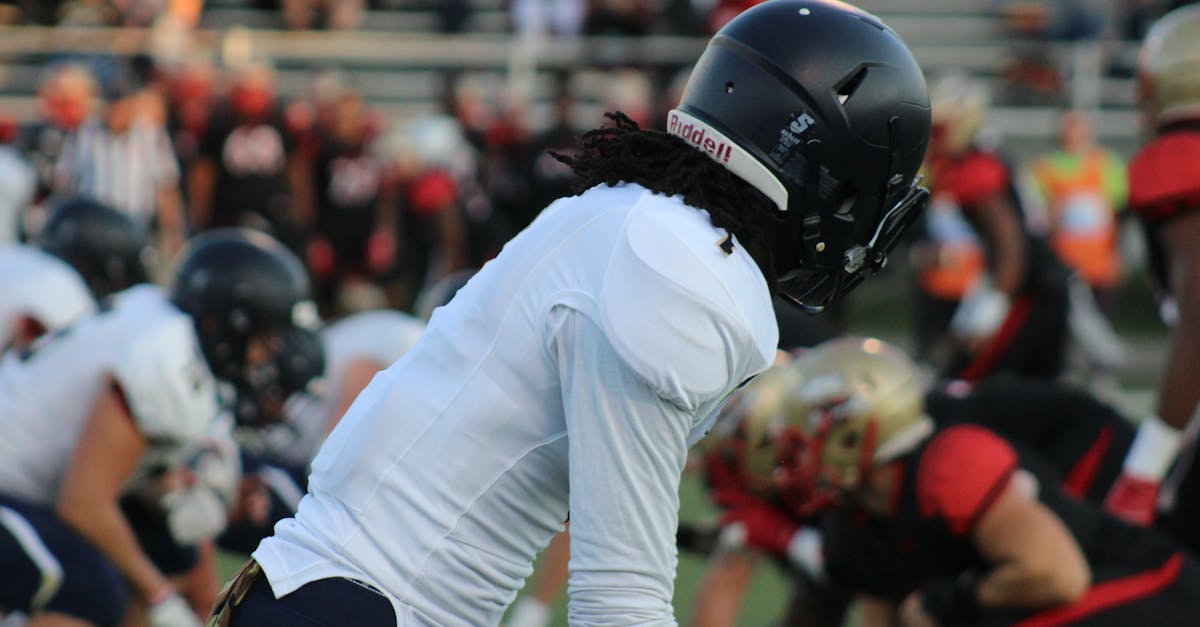
Key Takeaway: The late 19th century saw football transition from a free-form pastime to an organized sport, laying the groundwork for future tactical evolution, though early strategies were largely physical and individualistic.
The Dawn of Positional Play and the Rise of the Wing-Half
As the sport matured into the early 20th century, a significant tactical shift began to emerge. The 'kick and rush' era gradually gave way to more organized, positional play. A key development was the evolution of the half-back line. Initially, half-backs were primarily defensive, tasked with shielding the back four. However, pioneers began to recognize their potential to transition from defense to attack, linking play and distributing the ball. This period saw the emergence of formations like the 2-3-5, which was prevalent for decades. The tactical sophistication increased as teams started to understand the importance of passing and movement. Attending matches in the pre-World War I era, one might have noticed a greater emphasis on structured attacks down the flanks and a more defined midfield battle. The stadiums, though still relatively basic compared to today's cathedrals of sport, were becoming more established, with wooden stands and dedicated terraces. The rise of professional leagues across Europe, including early iterations of leagues in countries like England and Scotland, fueled this tactical innovation as clubs sought any advantage. Evidence suggests that the tactical discussions in pubs and clubhouses after matches were as intense as the games themselves, driving further experimentation.
Key Takeaway: The early 20th century witnessed the critical shift towards positional play, with the half-back line becoming a crucial link between defense and attack, as seen in the dominant 2-3-5 formation.
🎾 Did You Know?Archery was one of the sports in the ancient Olympic Games over 2,000 years ago.
The Tactical Revolution: From Catenaccio to Gegenpressing
Today's football tactical landscape is a complex ecosystem, heavily influenced by data analytics, sports science, and globalization. Managers are no longer just strategists; they are data interpreters. Evidence suggests that the meticulous analysis of player performance metrics, heat maps, and passing networks informs almost every tactical decision. This has led to increased player specialization and the development of highly specific roles on the pitch. The concept of a 'complete' player has evolved, with many excelling in niche areas dictated by tactical demands. The globalization of football means that tactical ideas spread rapidly across borders. A successful strategy employed in South America can be adapted and refined in Europe within months, influencing news 41783951 and discussions around matches like cyber_livescore/romania vs ao tt212492628. The fan experience is now intrinsically linked to this tactical sophistication. Stadiums are state-of-the-art, offering unparalleled views and amenities, and live match commentary often delves deep into tactical nuances, as seen in news 27386727. The pressure on managers is immense, with 'how fan expectations influence managerial decisions' a constant theme in sports journalism. The pursuit of tactical perfection is relentless, driven by the desire for silverware and the constant flow of information, including updates from sources like news 5332463. The tactical evolution is far from over; it is an ongoing narrative, sha by human ingenuity and the ever-present pursuit of victory.
The progression of tactical formations over time is a fascinating study. Here's a simplified ranking of their prominence and impact:
- 2-3-5 (Pyramid): Dominant for decades, emphasizing attacking formations.
- WM (3-2-2-3): An evolution of the 2-3-5, offering better defensive balance.
- 4-2-4: Introduced by Brazil, emphasizing attacking full-backs and wingers.
- 4-3-3: A versatile formation that became a modern staple.
- 4-4-2: The most enduring formation, adaptable to various styles.
- 3-5-2 / 5-3-2: Emphasizing midfield control and wing-back play.
- 4-1-4-1 / 4-2-3-1: Modern formations focusing on a defensive midfielder and attacking midfielders.
The post-World War II era, and particularly the latter half of the 20th century, ushered in a period of rapid and profound tactical revolution. The legendary Italian 'Catenaccio' system, popularized in the 1960s, exemplified a highly defensive and pragmatic approach, focusing on tight marking and swift counter-attacks. This was a direct response to the increasing attacking prowess of teams. Later, the Dutch total football of the 1970s, spearheaded by Rinus Michels and Johan Cruyff, offered a stark contrast, emphasizing fluidity, interchangeability of positions, and high pressing. This era saw tactical thinking become more scientific. Managers began to analyze opponents with unprecedented detail, and the tactical blueprint of a team became as important as the individual talent. The development of video analysis, though rudimentary at first, played a role. The 1980s and 1990s saw the rise of zonal marking and the evolution of the 4-4-2 formation into various iterations. Looking at the evolution, one can trace the lineage of modern pressing systems back to these foundational ideas. The emergence of specific tactical roles, like the deep-lying playmaker or the inverted winger, became common. The fan experience also evolved; with better stadium infrastructure and television coverage, fans could analyze tactics more closely, influencing their expectations. The ongoing discourse on how fan expectations influence managerial decisions is a testament to this increased tactical awareness. The tactical innovations are endless, from the 'gegenpressing' popularized by Jürgen Klopp to the possession-based 'tiki-taka' of Pep Guardiola. The evolution continues with discussions around data analytics informing team strategies, as seen in the use of live match commentary to highlight tactical shifts. Early examples of this tactical depth can be found in historical matches, and tracking this evolution is key to understanding the modern game. For instance, the tactical nuances in matches like cyber_livescoreannagh united vs knockbreda tt120019038 or cyber_livescorebrabrand vs vendsyssel tt387274832, while contemporary, build upon centuries of tactical development.
Key Takeaway: The latter half of the 20th century and the 21st century have been defined by rapid tactical innovation, from defensive solidity to fluid pressing systems, significantly influenced by analysis and adaptation.
The Modern Era: Data, Specialization, and Global Influence
The continuous refinement of these formations, and the introduction of new ones, highlights the sport's dynamic nature. News outlets like news 62292248 often dissect these tactical shifts. The integration of advanced analytics, as hinted at in discussions around news 10949194 and news 92755116, further refines tactical approaches, making the study of football's tactical history essential for understanding contemporary news 28386803 and news/43979212. Even in less prominent leagues, tactical evolution is evident, as can be seen in the analysis of matches such as cyber_livescoredibba alfujairah vs al nasr dubai tt268160137 or cyber_livescore/afc fylde vs ebbsfleet united tt209309229.
Key Takeaway: Modern football tactics are driven by data, specialization, and global knowledge exchange, creating a sophisticated and constantly evolving strategic environment for teams and managers.
The historical evolution of football tactics is a compelling narrative that spans over a century and a half. From the rudimentary 'kick and rush' of the 19th century to the data-driven, highly specialized strategies of today, the game has undergone a profound transformation. Key milestones include the codification of rules, the development of positional play, the introduction of revolutionary systems like total football and gegenpressing, and the current era's reliance on advanced analytics. Each phase has been sha by influential pioneers, changing societal influences, and the fundamental human desire to gain a competitive edge. Understanding this journey is crucial not only for appreciating the beauty and complexity of the modern game but also for anticipating its future direction. importance home advantage bayrampasa As stadiums become more technologically integrated and fan engagement deeper, the tactical evolution will undoubtedly continue, offering new chapters to this enduring sporting saga.
Browse by Category
- Cyber_bong Da/V League/Nong Vpf Du Chi 70 Ty Dong Mua Var Quyet Dua V League Len Tam Chau Luc Tt56722
- Cyber_ket Qua Bong Da/Dena Saba U23 Vs Oghab Tehran U23 Tt464974721
- Cyber_ket Qua Bong Da/Dagon Fc Vs Mawyawadi Fc Tt368456034
- Cyber_livescore/Cd Tarancon Vs Manchego Ciudad Tt223373933
- Cyber_bong Chuyen/Bong Chuyen Quoc Te/Egonu Thua Sat Nut Thai Lan Guc Nga Truoc Doi Thu Yeu O Giai Vdtg 2022 Tt56490
- Cyber_barcelona Don Adama Traore Tro Lai Camp Nou Tt34139
- Cyber_ket Qua Bong Da/Can Tho Vs Dak Lak Tt259224037
- Cyber_livescore/Veria Fc Vs Anagenisi Karditsa Tt359201637
- Cyber_livescore/Tauro Reserves Vs Panama City Fc Tt308665434
- Cyber_link Xem Truc Tiep Bong Da Binh Phuoc Vs Long An 17h00 Ngay 12 3 Tt37765
- Cyber_livescore/Pokrok Sez Krompachy Vs Humenne Tt241568829
- Cyber_livescore/Abahani Limited Vs Bangladesh Army Tt282909934
- Cyber_ukraine San Sang Chien Dau Den Chet Truoc Dt Anh Tt11128
- Cyber_livescore Adelaide Vipers Vs Sturt Lions Tt208660338
- Cyber_bang Xep Hang Bong Da/Hang 2 Bi
Sources & References
- FBref Football Statistics — fbref.com (Advanced football analytics)
- WhoScored Match Ratings — whoscored.com (Statistical player & team ratings)
- Transfermarkt — transfermarkt.com (Player valuations & transfer data)
Explore More Topics (15)
- Cyber_livescoreempoli U20 Vs Fiorentina U19 Tt379788935
- Head To Head Statistics Ffc Frankfurt Ii W Vs Sv Weinberg W
- News 82028555
- News 42979824
- Cyber_livescore/Ingolstadt 04 W Vs Nurnberg W Tt101927935
- Cyber_livescore Cruzeiro Youth Vs Portuguesa Youth Tt207578538
- Cyber_livescorepachuca W Vs Queretaro W Tt247848937
- Cyber_livescore/Atletico Colegiales Vs Sol De America Pastoreo Tt398721436
- Cyber_bang Xep Hang Bong Da/Msg Prime Ministers Cup
- Cyber_ket Qua Bong Daotrant Vs Fk Mladost Dg Tt348102130
- News 15503058
- Cyber/Ket Qua Bong Da/Csornai Se Vs Gyirmot Fc Gyor Ii Tt246324236
- Cyber_livescore/Roda Jc Kerkrade Reserve Vs Nac U21 Tt151309135
- Cyber_livescore Indjija Vs Fk Graficar Beograd Tt256730835
- News 73581624