From Muddy Pitches to Digital Arenas: The Historical Evolution of Football Stadiums and Fan Culture
Explore the historical evolution of football stadiums and fan culture, tracing their development from humble beginnings to modern, multi-functional entertainment hubs, complete with travel insights and cultural context.
Imagine the biting wind whipping across a vast, open terrace, the roar of thousands of voices a single, unadulterated wave of sound as a goal ripples the net. The scent of stale beer and liniment hangs heavy in the air, a visceral, almost primal experience. Now, contrast that with the sleek, climate-controlled comfort of a modern stadium, where Wi-Fi streams instant replays to your phone, and gourmet food trucks line a bustling fan zone outside. This dramatic shift isn't merely architectural; it's a testament to the profound historical evolution of football itself, deeply intertwined with societal changes, technological advancements, and the very identity of its supporters.
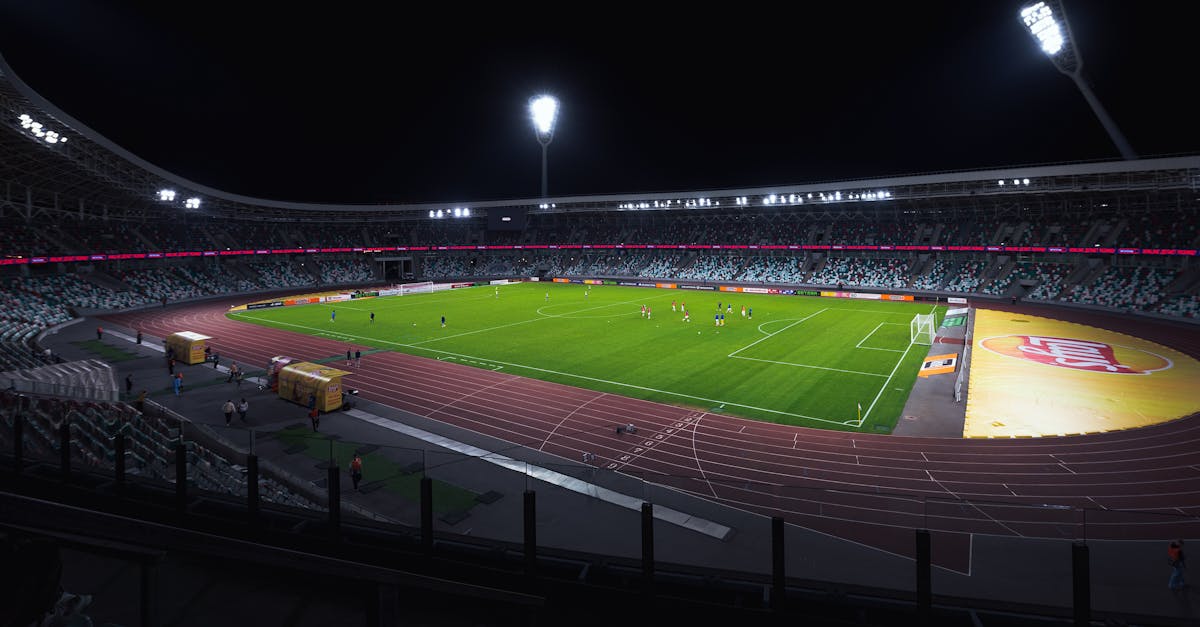
In the nascent days of organised football, stadiums as we know them were non-existent. Matches were often played on common land or rudimentary pitches, drawing local crowds who gathered informally. The late 19th and early 20th centuries marked a pivotal turning point, as the professionalisation of the sport necessitated dedicated venues. Clubs like Aston Villa, Arsenal, and Liverpool began to acquire land, transforming it into enclosed grounds. These early stadiums, characterised by simple standing terraces and basic amenities, were more than just sporting arenas; they were the beating hearts of their communities. Evidence suggests that the proximity of these early grounds to industrial areas fostered a deep, almost familial bond between clubs and their working-class supporters, creating a unique local identity. Matches, often reported in local news outlets, became central events in the weekly calendar, with pubs surrounding the grounds serving as unofficial pre and post-match gathering points. The sheer accessibility and raw atmosphere defined this era, where the passion was unfiltered and the connection deeply personal. Travel for away fans, while challenging, was a pilgrimage undertaken by the most dedicated, often involving long train journeys to witness their team in action, such as early FA Cup clashes. These early venues were crucial in establishing the traditions that would endure for decades.
The Genesis of the Ground: Community Hubs and Early Identities (Late 19th - Early 20th Century)
The aftermath of the Hillsborough disaster spurred the publication of the Taylor Report, which mandated all-seater stadiums for top-tier football in England, a paradigm shift that reverberated globally. The 1990s and 2000s saw a wave of stadium redevelopment and new builds, prioritising safety, comfort, and accessibility. This era ushered in the modern football stadium: multi-functional arenas equip with corporate hospitality suites, improved sightlines, and enhanced facilities for all spectators. This transformation also coincided with the commercialisation of football, where stadiums became revenue-generating entities beyond matchday tickets, hosting concerts and other events. Fan experience evolved, too, with family-friendly zones, better catering, and integrated public transport links making travel to and from matches significantly smoother. Technological integration, from large video screens displaying live scores for games like Lions Gibraltar vs College 1975 FC to Wi-Fi connectivity, has become standard. The focus shifted from merely watching a game to experiencing an event. The analytical approach to the game, as seen in betting predictions for matches like Newcastle vs Fiorentina, reflects this data-driven, modern sensibility. While some lament the loss of the raw, standing terrace atmosphere, the modern stadium offers a safer, more inclusive, and economically sustainable model for the sport.
Key Takeaway: Early football grounds were foundational community assets, cementing club identities and fostering an organic, passionate fan culture driven by local pride and rudimentary infrastructure.
🎾 Did You Know?Usain Bolt top speed was clocked at 27.8 mph during his 100m world record.
The Terracing Era and its Challenges: Growth, Glory, and Grim Realities (Mid 20th Century - 1980s)
For the sports travel writer, the evolution of stadiums offers an unparalleled journey through history and culture. Visiting grounds like the Camp Nou in Barcelona, with its vast, sweeping stands, or the intimate Stadio Diego Armando Maradona in Naples, provides a palpable connection to their respective histories and fanbases. The modern era has seen a proliferation of architecturally stunning venues, such as the Allianz Arena in Munich or the Tottenham Hotspur Stadium in London, which are destinations in themselves. These venues are not just places to watch a match; they are cultural landmarks that reflect the city's identity and the club's aspirations. When planning a trip, understanding the stadium's history can profoundly enrich the experience. For instance, knowing the transformation from the raw, passionate support of a classic ground to the polished spectacle of today can frame your understanding of the local fan culture, whether you're observing fans of Acireale vs USD Akragas in Italy or Barbados vs US Virgin Islands in the Caribbean. Practical travel tips now often include advice on navigating state-of-the-art transport links, utilising cashless systems within the stadium, and exploring the surrounding entertainment districts that have grown up around these modern arenas. The atmosphere, once primarily generated by standing masses, is now carefully curated with light shows, music, and interactive fan zones, transforming the matchday into a comprehensive entertainment package.
Key Takeaway: The expansion of terracing amplified fan passion but also exposed critical safety deficiencies, ultimately necessitating a radical shift in stadium design and management.
The All-Seater Revolution and the Modern Spectacle: Safety, Comfort, and Commercialism (1990s - Present)
The mid-20th century witnessed a significant expansion of football's popularity, leading to larger stadiums and more elaborate terracing structures. Iconic stands like Liverpool's Spion Kop became legendary, famed for their intimidating atmosphere and the sheer volume of support they could accommodate. This period, from the post-war boom through the 1980s, was characterised by booming attendances and the cultural dominance of football. However, this growth also presented significant challenges. Data indicates a rise in safety concerns, particularly regarding crowd control and infrastructure maintenance. The tragic events, such as the Ibrox disaster in 1971 and especially the Hillsborough disaster in 1989, served as stark turning points, highlighting the inherent dangers of overcrowded, unregulated standing terraces. These incidents, widely covered in news reports and subsequent inquiries, forced a fundamental re-evaluation of stadium design and safety protocols. Fan culture during this era, while intensely passionate, also saw the rise of 'hooliganism,' casting a shadow over the sport and making away travel a more fraught experience. Despite the negative aspects, the atmosphere in these packed grounds, where fans stood shoulder-to-shoulder, remains a nostalgic memory for many, symbolising an era of raw, unpolished football passion. The results of matches like those between CE Europa vs UE Castelldefels or Real Banjul vs Marimoo, though from different eras, were delivered to fans via less instantaneous means, fostering a different kind of anticipation.
- Safety Standards: The paramount shift from dangerous terraces to all-seater designs, prioritising spectator well-being.
- Fan Comfort and Accessibility: Enhanced seating, improved amenities, and better access for all demographics.
- Technological Integration: From VAR screens to cashless payments and pervasive connectivity, enriching the in-stadium experience.
- Commercial Versatility: Stadiums designed as multi-purpose venues, generating revenue beyond football matches.
- Global Appeal and Branding: Modern arenas often serve as iconic symbols, attracting international visitors and boosting club brands.
Key Takeaway: The all-seater revolution, driven by safety mandates and commercial imperatives, transformed stadiums into technologically advanced, comfortable, and economically vital multi-functional venues, albeit altering the traditional fan experience.
The Global Stadium Experience: A Traveller's Perspective
This article posits that the transformation of football stadiums from rudimentary pitches into sophisticated, multi-functional entertainment complexes fundamentally reflects and, in turn, has sha the global football experience, redefining fan engagement and the economic landscape of the sport over the last century and a half.
Key Takeaway: Modern stadiums are global travel destinations, forgotten football legends iconic players offering a curated experience that blends sporting spectacle with cultural immersion, demanding new considerations for the travelling fan.
Bottom Line: The historical evolution of football stadiums is a compelling narrative of adaptation, innovation, and resilience. From the rudimentary pitches that fostered community bonds to the all-seater cathedrals of modern sport, each era has left an indelible mark on how we experience the beautiful game. This journey, driven by necessity, tragedy, and commercial ambition, has resha fan culture, demanding a more sophisticated approach to both attending and appreciating matches. For YO265 Sports, understanding this rich history is key to appreciating the current landscape and anticipating the future trajectory of football, where the stadium remains the ultimate stage for its enduring drama.
Browse by Category
- Cyber_ket Qua Bong Da Ceara Youth Vs Sao Paulo Youth Tt263210723
- Cyber_dt Viet Nam Ap Dao O Cuoc Bau Chon Tien Ve Hay Nhat Asean Cup 2024 Tt111503
- Cyber_livescore/Usti Nad Labem Vs Fk Kolin Tt397731335
- Cyber_nhan Dinh Thai Lan Vs Philippines Asean Cup Luc Luong Doi Hinh Du Kien Tt110968
- Cyber_nhan_dinh_soi_keo_vasco_da_gama_vs_sao_paulo_07_30_ngay_23_06_2024_vdqg_brazil_2024_tt101245
- Cyber_ket Qua Bong Da/Valle Brooklyn Vs Skjold Tt143038135
- Cyber_livescore 76 Igdir Belediye Spor Vs Bayrampasa Tt133215838
- Cyber_ket Qua Bong Da Usakspor Vs Ankarademirspor Tt254671038
- Cyber_livescore/Barcelona B Vs Sabadell Tt365322629
- Cyber_hlv Hagl Che Ha Noi Da Xau Nhu Thai Lan Tt112155
- Cyber_hlv Popov Tat Ca Tran Mo Man Deu Kho Khan Tt121437
- Cyber_ket Qua Bong Da/Becamex Binh Duong Vs Thanh Hoa Fc Tt348595238
- Cyber_nhan Dinh Soi Keo East Bengal Vs Mumbai 21h00 Ngay 16 12 San Nha Mat Thieng Tt64393
- Cyber_link_xem_truc_tiep_bong_da_dortmund_vs_hoffenheim_1h30_ngay_28_8_tt17628
- Cyber_ty Le Keo Bong Da/Palestine
- Cyber_livescore Bergdalens Ik Vs Landvetter Is Tt216129530
- Cyber_livescore Avro Fc Vs Bury Tt317501634
- Cyber_livescorecd Illescas Vs Rayo Vallecano B Tt247428334
- Cyber_livescore/Real Oviedo W Vs Osasuna W Tt216620131
- Cyber_cau Long/Truc Tiep Cau Long/Link Xem Truc Tiep Cau Long Dai Loan Mo Rong 2022 Hom Nay 19 7 Tt49664
Sources & References
- The Athletic Football Analysis — theathletic.com (In-depth tactical breakdowns)
- FIFA Official Reports — fifa.com (Tournament & qualification data)
- UEFA Technical Reports — uefa.com (Tactical analysis & competition data)
Explore More Topics (15)
- News 83736840
- Cyber_lck Mua Xuan 2022 Peanut Va Chovy Thang Hoa Gen Huy Diet Drx Tt32783
- News/59231552
- News 80279679
- News 74903753
- Cyber_esports/Lien Minh Huyen Thoai Toc Chien/Toc Chien 3 2b Ban Cap Nhat Icons Global Championship 2022 Tt46066
- Cyber_livescore Union Villa Krause Vs Desamparados Tt270209529
- News 62692967
- Cyber_bien Dong Ty Le Keo Nha Cai Argentina Vs Ecuador Hom Nay 3 7 Tt11506
- Chamois Niortais Strengths Weaknesses Season Outlook
- News 17117380
- Cyber_ket Qua Bong Da/Sunderland U23 Vs Stoke City U23 Tt240963836
- Cyber_ket Qua Bong Da Canvey Island Vs Cray Wanderers Tt203830231
- Cyber_ket Qua Bong Da/Jippo Vs Lahti Tt233535135
- News 2153538